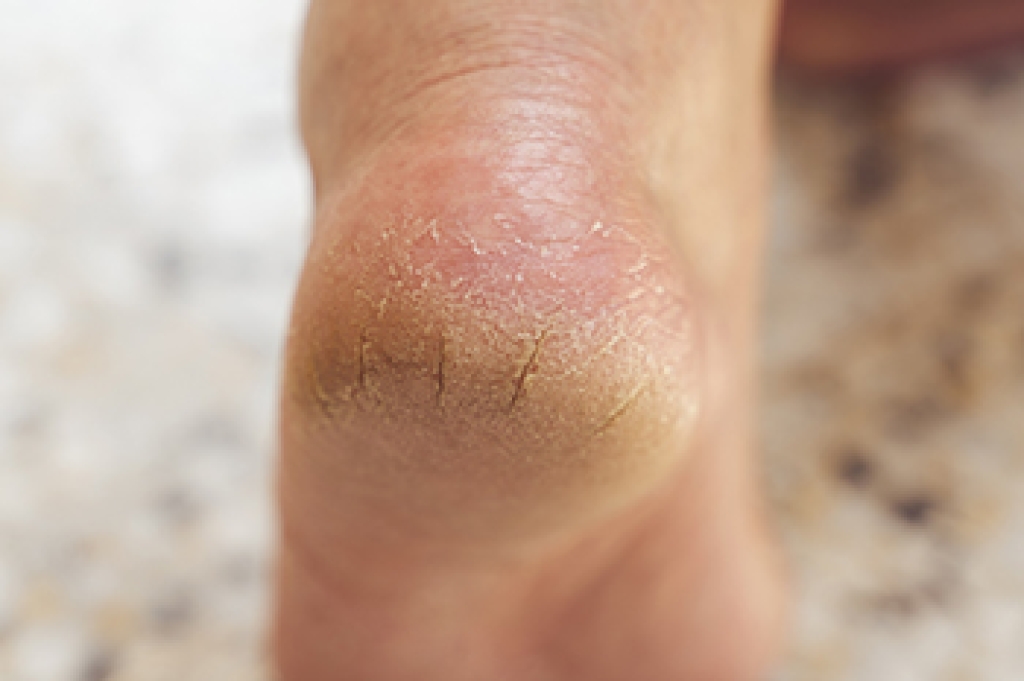
Cracked heels develop when the skin around the heel becomes dry, thick, and less flexible. Some cracks remain shallow, while others become deeper and make daily activities uncomfortable. As pressure is placed on the heel during standing and walking, the skin may split, creating painful cracks known as fissures. Common symptoms of cracked heels include dry skin, rough patches, and heel pain. In more severe cases, the cracks may bleed or become irritated. People who spend long periods standing or have certain medical conditions may have a greater risk of developing cracked heels. Because untreated cracks can worsen, a professional evaluation is important to determine the severity of the condition and recommend appropriate treatment.
Cracked heels can affect more than comfort. Deep fissures may make walking painful and increase the risk of infection if the skin barrier is damaged. Ongoing heel pain may also change the way a person walks, placing extra stress on the ankles, knees, and hips. This altered movement can contribute to discomfort in other parts of the lower body. A thorough podiatry evaluation helps identify the underlying cause of cracked heels and determine whether additional foot conditions are contributing to the problem. Early diagnosis supports more effective treatment and helps prevent complications.
A podiatrist specializes in diagnosing and treating cracked heels while addressing the factors that contribute to the condition. Professional treatment focuses on reducing discomfort, improving skin health, and restoring normal foot function. A podiatrist also evaluates foot structure and walking mechanics to identify issues that may place excessive pressure on the heels. Early podiatry care can help prevent deeper cracks and reduce the risk of long-term complications. If cracked heels are causing pain or making it difficult to walk comfortably, it is suggested that you consult a podiatrist for an evaluation and appropriate treatment options.
If the skin on your feet starts to crack, you may want to see a podiatrist to find treatment. If you have any concerns, contact Zina Cappiello, DPM from Dr. Zina B. Cappiello DPM, LLC. Our podiatrist can provide the care you need to keep you pain-free and on your feet.
Cracked Heels
It is important to moisturize your cracked heels in order to prevent pain, bleeding, and infection. The reason cracked heels form is because the skin on the foot is too dry to support the immense pressure placed on them. When the foot expands, the dry skin on the foot begins to split.
Ways to Help Heal Them
- Invest in a good foot cream
- Try Using Petroleum Jelly
- Ease up on Soaps
- Drink Plenty of Water
Ways to Prevent Cracked Heels
- Moisturize After Showering
- Skip a Shower
- Keep Shower Water Lukewarm
- Don’t Scrub Your Feet
If you are unsure how to proceed in treating cracked heels, seek guidance from a podiatrist. Your doctor will help you with any questions or information you may need.
If you have any questions, please feel free to contact our office located in Clifton, NJ . We offer the newest diagnostic and treatment technologies for all your foot care needs.
