Cracked Heels Symptoms and Treatment

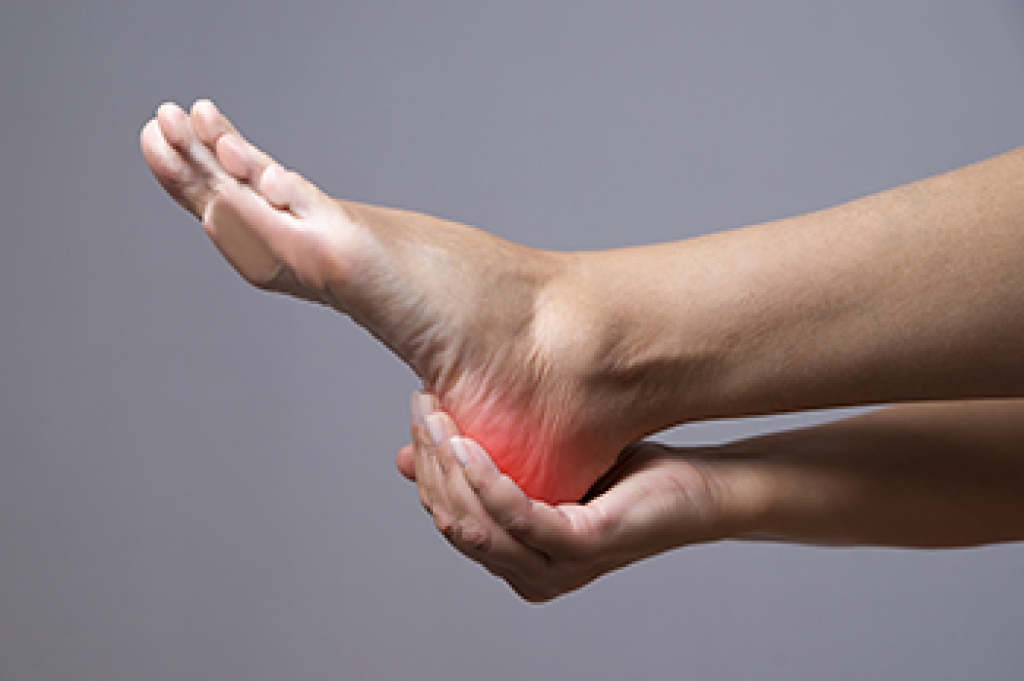
Cracked heels develop when the skin around the heel becomes dry, thick, and less flexible. Some cracks remain shallow, while others become deeper and make daily activities uncomfortable.  As pressure is placed on the heel during standing and walking, the skin may split, creating painful cracks known as fissures. Common symptoms of cracked heels include dry skin, rough patches, and heel pain. In more severe cases, the cracks may bleed or become irritated. People who spend long periods standing or have certain medical conditions may have a greater risk of developing cracked heels. Because untreated cracks can worsen, a professional evaluation is important to determine the severity of the condition and recommend appropriate treatment.


Cracked heels can affect more than comfort. Deep fissures may make walking painful and increase the risk of infection if the skin barrier is damaged. Ongoing heel pain may also change the way a person walks, placing extra stress on the ankles, knees, and hips. This altered movement can contribute to discomfort in other parts of the lower body. A thorough podiatry evaluation helps identify the underlying cause of cracked heels and determine whether additional foot conditions are contributing to the problem. Early diagnosis supports more effective treatment and helps prevent complications.


A podiatrist specializes in diagnosing and treating cracked heels while addressing the factors that contribute to the condition. Professional treatment focuses on reducing discomfort, improving skin health, and restoring normal foot function. A podiatrist also evaluates foot structure and walking mechanics to identify issues that may place excessive pressure on the heels. Early podiatry care can help prevent deeper cracks and reduce the risk of long-term complications. If cracked heels are causing pain or making it difficult to walk comfortably, it is suggested that you consult a podiatrist for an evaluation and appropriate treatment options.

If the skin on your feet starts to crack, you may want to see a podiatrist to find treatment. If you have any concerns, contact Zina Cappiello, DPM from Dr. Zina B. Cappiello DPM, LLC. Our podiatrist can provide the care you need to keep you pain-free and on your feet.

Cracked Heels

It is important to moisturize your cracked heels in order to prevent pain, bleeding, and infection. The reason cracked heels form is because the skin on the foot is too dry to support the immense pressure placed on them. When the foot expands, the dry skin on the foot begins to split.

Ways to Help Heal Them

  • Invest in a good foot cream
  • Try Using Petroleum Jelly
  • Ease up on Soaps
  • Drink Plenty of Water

Ways to Prevent Cracked Heels

  • Moisturize After Showering
  • Skip a Shower
  • Keep Shower Water Lukewarm
  • Don’t Scrub Your Feet

If you are unsure how to proceed in treating cracked heels, seek guidance from a podiatrist. Your doctor will help you with any questions or information you may need. 

If you have any questions, please feel free to contact our office located in Clifton, NJ . We offer the newest diagnostic and treatment technologies for all your foot care needs.

Read more about Solutions for Cracked Heels

How a Podiatrist Diagnoses and Treats Stress Fractures

Stress fractures are tiny cracks in a bone caused by repeated force instead of a single injury. They frequently develop in the feet and lower legs because these bones absorb the impact of everyday activities and sports. Pain usually begins gradually, and becomes worse while walking, running, or exercising. It often improves with rest but returns when activity starts again. Swelling and tenderness over one specific area of the foot are also common signs. Stress fractures can be difficult to recognize during the early stages because symptoms resemble other foot problems. Early diagnosis is important because continuing normal activity can allow the crack to become larger and delay healing. Research also shows that early imaging improves diagnosis when symptoms suggest a stress fracture but standard X-rays appear normal.

Several factors increase the risk of stress fractures. A sudden increase in exercise intensity, duration, or frequency places extra strain on the bones. Foot structure and walking patterns can also affect how force is distributed across the feet. Low bone strength can further increase the chance of injury. A podiatrist carefully examines the painful area, reviews activity levels, and evaluates foot alignment to identify possible causes. X-rays are usually the first imaging test, although they do not always detect an early stress fracture. An MRI scan provides a more detailed view and can confirm the diagnosis when symptoms continue despite normal X-ray findings.

A podiatrist creates a treatment plan that protects the injured bone while it heals. Treatment includes reducing stress on the affected foot, wearing supportive shoes, and custom orthotics, when appropriate. Regular follow-up visits allow healing to be monitored and help determine when normal activities can safely resume. Early care reduces the risk of a complete fracture and other complications. Prompt treatment also supports a smoother recovery and a safer return to daily activities. If you have symptoms of stress fractures, it is suggested that you schedule an appointment with a podiatrist for effective relief and treatment solutions. 

Stress fractures occur when there is a tiny crack within a bone. To learn more, contact Zina Cappiello, DPM from Dr. Zina B. Cappiello DPM, LLC. Our podiatrist can provide the care you need to keep you pain free and on your feet.

How Are They Caused?

Stress fractures are the result of repetitive force being placed on the bone. Since the lower leg and feet often carry most of the body’s weight, stress fractures are likely to occur in these areas. If you rush into a new exercise, you are more likely to develop a stress fracture since you are starting too much, too soon.  Pain resulting from stress fractures may go unnoticed at first, however it may start to worsen over time.

Risk Factors

  • Gender – They are more commonly found in women compared to men.
  • Foot Problems – People with unusual arches in their feet are more likely to develop stress fractures.
  • Certain Sports – Dancers, gymnasts, tennis players, runners, and basketball players are more likely to develop stress fractures.
  • Lack of Nutrients – A lack of vitamin D and calcium may weaken the bones and make you more prone to stress fractures
  • Weak Bones – Osteoporosis can weaken the bones therefore resulting in stress fractures

Stress fractures do not always heal properly, so it is important that you seek help from a podiatrist if you suspect you may have one. Ignoring your stress fracture may cause it to worsen, and you may develop chronic pain as well as additional fractures.

If you have any questions please contact our office located in Clifton, NJ . We offer the newest diagnostic and treatment technologies for all your foot and ankle needs.

Read more about Stress Fractures of the Foot and Ankle

Healthy Feet for a Happy Life

Foot pain can affect people of all ages and make everyday activities more difficult. Because each foot contains many bones, joints, muscles, and ligaments, discomfort can develop from a wide range of problems. Pain may appear suddenly after an injury or develop gradually because of repeated stress on the feet. Common causes include plantar fasciitis, arthritis, and tendon injuries. Bunions, nerve problems, and stress fractures may also contribute to ongoing discomfort. Foot pain can interfere with walking, standing, and exercise, which may reduce overall mobility and quality of life. Since many conditions produce similar symptoms, a professional evaluation is important to determine the cause and recommend the most appropriate treatment. Early podiatry care may also help prevent minor problems from becoming more serious.


Symptoms vary depending on the underlying condition and the part of the foot involved. Many people experience aching, swelling, or stiffness that limits normal movement. Others notice burning pain or tenderness that becomes worse during daily activities. Some conditions cause pain in the heel, while others affect the arch or the ball of the foot. Changes in foot structure or walking patterns may place additional stress on surrounding tissues, leading to discomfort in other areas of the foot and ankle. Persistent foot pain should not be ignored because untreated problems may affect balance, mobility, and overall foot function. Identifying the source of pain early allows treatment to begin before symptoms continue to progress.


A podiatrist specializes in diagnosing and treating foot pain by identifying the underlying cause of discomfort and creating an individualized treatment plan. During an examination, the podiatrist evaluates foot structure, joint function, and walking mechanics to determine what is contributing to the symptoms. Treatment focuses on reducing pain, improving mobility, and restoring healthy foot function. Early podiatry care may also help patients remain active and reduce the risk of long-term complications. If you are experiencing ongoing foot pain or difficulty walking, it is suggested that you consult a podiatrist for an evaluation and appropriate treatment options.

Everyday foot care is very important to prevent infection and other foot ailments. If you need your feet checked, contact Zina Cappiello, DPM from Dr. Zina B. Cappiello DPM, LLC. Our podiatrist can provide the care you need to keep you pain-free and on your feet.

Everyday Foot Care

Often, people take care of their bodies, face and hair more so than they do for their feet. But the feet are a very important aspect of our bodies, and one that we should pay more attention to. Without our feet, we would not be able to perform most daily tasks.

It is best to check your feet regularly to make sure there are no new bruises or cuts that you may not have noticed before. For dry feet, moisturizer can easily be a remedy and can be applied as often as necessary to the affected areas. Wearing shoes that fit well can also help you maintain good foot health, as well as making it easier to walk and do daily activities without the stress or pain of ill-fitting shoes, high heels, or even flip flops. Wearing clean socks with closed shoes is important to ensure that sweat and bacteria do not accumulate within the shoe. Clean socks help to prevent Athlete’s foot, fungi problems, bad odors, and can absorb sweat.

If you have any questions, please feel free to contact our office located in Clifton, NJ . We offer the newest diagnostic and treatment technologies for all your foot care needs.

Read more about Everyday Foot Care

Causes and Treatment of Bumps on the Sole of the Foot

Bumps on the bottom of the foot should not be ignored, especially when they cause pain or make walking uncomfortable. Some bumps result from thickened skin caused by repeated pressure or friction. Others result from growths beneath the skin or changes in the soft tissue of the foot. Common causes include plantar warts, calluses, and plantar fibromas. A plantar fibroma is a firm lump that develops in the band of tissue that supports the arch. While some bumps remain small, others grow larger and become more noticeable when standing or walking. A careful examination by a podiatrist can help determine the exact cause.

The symptoms associated with foot bumps vary depending on the condition. Some bumps feel hard and rough, while others feel smooth or rubbery. Pain can occur when pressure is placed on the area. This is especially true while walking or standing for long periods of time. Plantar warts sometimes contain small black dots and can feel tender. Calluses usually appear as thick, hardened areas of skin. Plantar fibromas often develop in the arch and may create discomfort when shoes press against them. In some cases, a bump can be accompanied by swelling, redness, or irritation. These symptoms should be evaluated by a podiatrist to rule out more serious conditions.

A podiatrist can diagnose the source of a foot bump through a physical examination and imaging studies, when necessary. Treatment depends on the underlying cause. Options include custom orthotics, medication, or removal of abnormal tissue. Plantar warts may require specialized treatment to eliminate the viral growth. Painful fibromas may need additional care to reduce discomfort. Early diagnosis is important because some bumps can become larger and interfere with normal movement. If you have unexplained or painful bumps on the bottom of your foot, it is suggested that you schedule an appointment with a podiatrist for an accurate diagnosis and effective treatment solutions.

Foot Pain

Foot pain can be extremely painful and debilitating. If you have a foot pain, consult with Zina Cappiello, DPM from Dr. Zina B. Cappiello DPM, LLC. Our podiatrist will assess your condition and provide you with quality foot and ankle treatment.

Causes

Foot pain is a very broad condition that could be caused by one or more ailments. The most common include:

  • Bunions
  • Hammertoes
  • Plantar Fasciitis
  • Bone Spurs
  • Corns
  • Tarsal Tunnel Syndrome
  • Ingrown Toenails
  • Arthritis (such as Gout, Rheumatoid, and Osteoarthritis)
  • Flat Feet
  • Injury (from stress fractures, broken toe, foot, ankle, Achilles tendon ruptures, and sprains)
  • And more

Diagnosis

To figure out the cause of foot pain, podiatrists utilize several different methods. This can range from simple visual inspections and sensation tests to X-rays and MRI scans. Prior medical history, family medical history, and any recent physical traumatic events will all be taken into consideration for a proper diagnosis.

Treatment

Treatment depends upon the cause of the foot pain. Whether it is resting, staying off the foot, or having surgery; podiatrists have a number of treatment options available for foot pain.

If you have any questions, please feel free to contact our office located in Clifton, NJ . We offer the newest diagnostic and treatment technologies for all your foot care needs.

Read more about Foot Pain

Connect With Us

Advanced Podiatric Procedures & Services in the Passaic County, NJ: Clifton (Paterson, Passaic, Wayne, Hawthorne, Clifton), Essex County, NJ: Newark, East Orange, Bloomfield, West Orange, Belleville, Nutley, Montclair, Bergen County, NJ: Rutherford, Garfield and Morris County, NJ: Lincoln Park, Lincoln Park areas