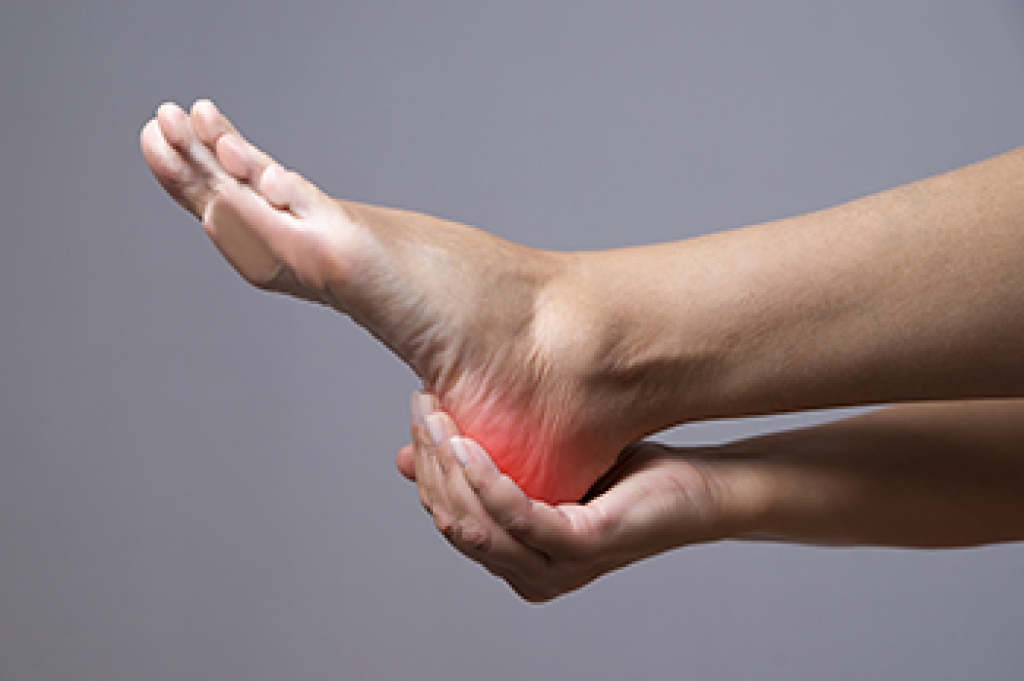
Working in a restaurant can be demanding on your feet. Long shifts often involve standing, walking, and moving quickly across hard floors. Foot pain may develop when the feet are under constant pressure without enough support. Common symptoms include aching, burning, and tenderness. Pain may affect the heels, balls of the feet, or ankles. Symptoms can become more noticeable near the end of a shift.
Several factors can increase the risk of foot pain in restaurant workers. Standing for many hours can place repeated stress on the feet. Hard flooring can add impact with every step. Shoes that are worn out, poorly fitted, or lacking support may also contribute. A higher risk can occur when workers choose footwear based mainly on appearance instead of function. Existing foot conditions can make discomfort worse during long shifts.
Choosing the right restaurant work shoes can often make a meaningful difference daily. Look for shoes with dependable arch support and comfortable cushioning. A secure fit can help reduce unnecessary movement inside the shoe. Slip-resistant soles are especially important because restaurant floors may become wet or greasy. Shoes should also provide enough room for the toes and protection from common workplace hazards. Additionally, lightweight, breathable materials can improve comfort during extended shifts.
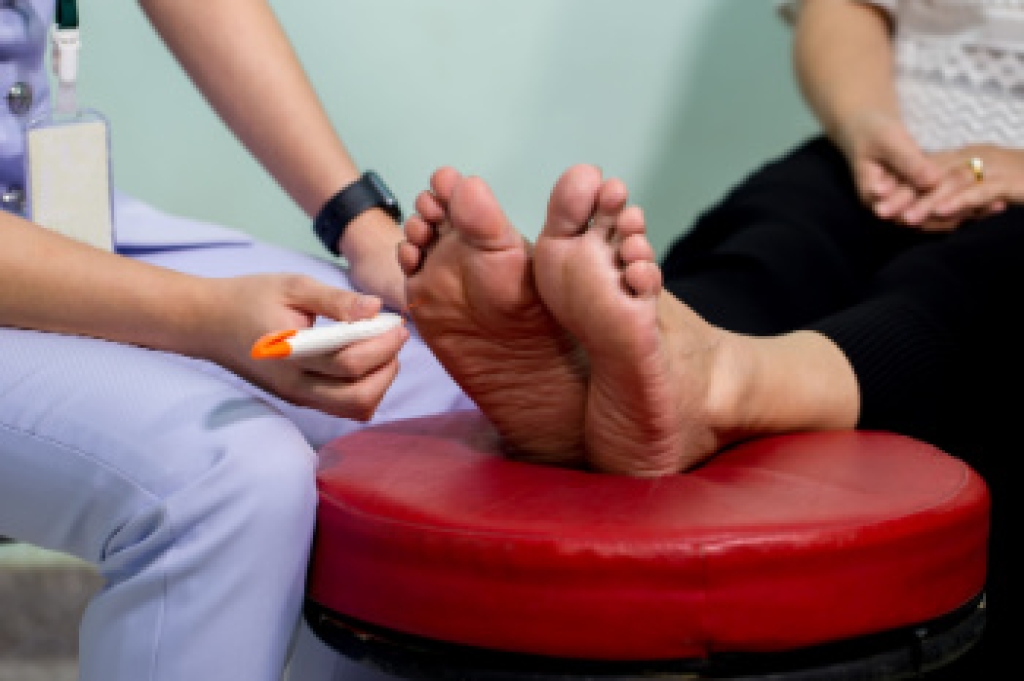
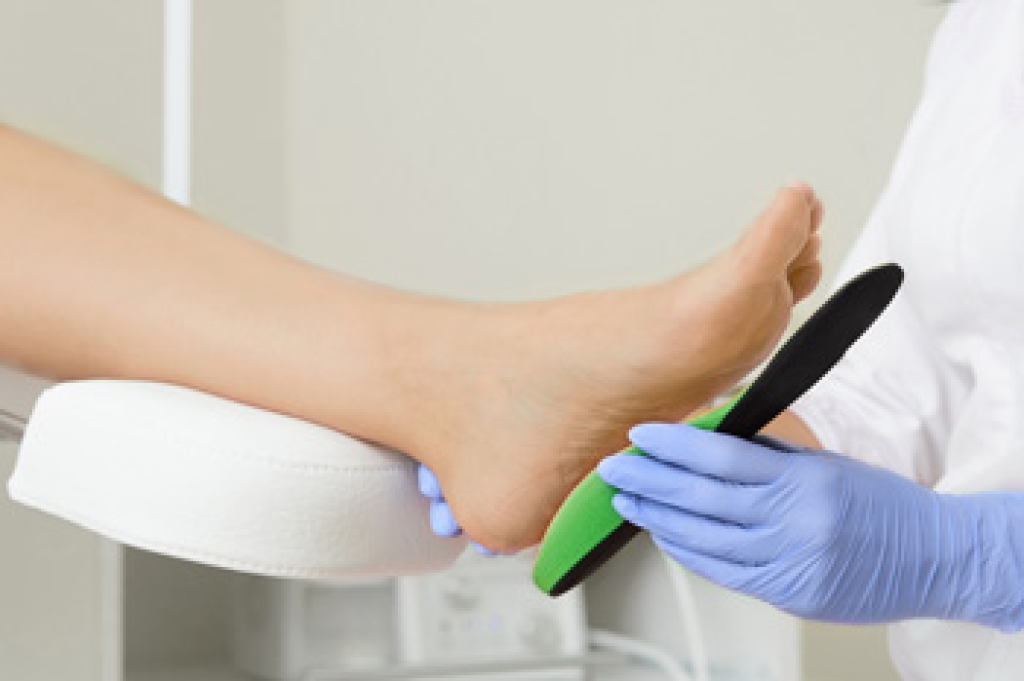
When foot pain continues, a podiatrist can examine the feet and determine what may be causing the problem. The evaluation may include checking your walking pattern, footwear, and areas of tenderness. Depending on the findings, treatment may include wearing supportive footwear, custom orthotics, or activity changes. A podiatrist can also identify conditions that require additional care. If you have foot pain while working in the restaurant industry, it is suggested that you consult a podiatrist for effective treatment solutions, and guidance on additional tips on the correct shoes to wear for your workday.
While working on the feet, it is important to take the proper care of them. For more information about working on your feet, contact Zina Cappiello, DPM from Dr. Zina B. Cappiello DPM, LLC. Our podiatrist will treat your foot and ankle needs.
Working on Your Feet
Standing on your feet for long periods of time can cause stress and pain in your feet. Your whole body may experience change in terms of posture, back pain, bunions, callouses and or plantar warts. There are ways to avoid these conditions with proper foot care, smart choices and correct posture.
Positive Changes
Negative heeled shoe – Choosing this shoe type places the heel slightly lower than the ball of the foot. These are great for overall foot health. Find shoes that fit you correctly.
Go barefoot – Our feet were not designed to be enclosed for all hours of the day. Try to periodically expose your feet to air.
Eliminate Pain
Foot Exercises – Performing simple exercises, incorporating yoga and doing stretches are beneficial. This will allow increased blood flow to the area and muscles of the foot.
Achilles tendon – Stretching the foot out flat on the floor will relax the calf muscles and tendon. These exercises can be performed almost anywhere. Make sure you add these exercises to your daily regimen.
With a little bit of this information and knowing more about foot health, you will notice changes. Foot stretches and proper footwear will help with pain and prevent further issues.
If you have any questions please contact our office located in Clifton, NJ . We offer the newest diagnostic and treatment technologies for all your foot and ankle needs.