Connect With Us

Ice skating is a fun way for children to build balance and coordination, but the sport places repetitive stress on growing feet and ankles. Falls, tight or poorly fitted boots, and frequent jumping can lead to ankle sprains, tendon irritation, and painful bursitis around the heel or ankle bones. Friction inside the boot may also cause blisters or “lace bite” across the top of the foot. Over time, pressure from narrow skates can contribute to bunions or hammertoes, while repeated impact during landings may result in stress fractures of the metatarsal bones. Because children’s bones are still developing, these problems can affect alignment and performance if not properly evaluated. A podiatrist can assess skating mechanics, examine footwear fit, diagnose structural problems, and provide medical care to relieve pain and prevent further injury. If your child encounters foot pain while ice skating, it is suggested that you make an appointment with a podiatrist for an exam, diagnosis, and treatment.
Making sure that your children maintain good foot health is very important as they grow. If you have any questions, contact Zina Cappiello, DPM of Dr. Zina B. Cappiello DPM, LLC. Our podiatrist can provide the care you need to keep you pain-free and on your feet.
Keeping Children's Feet Healthy
Having healthy feet during childhood can help prevent medical problems later in life, namely in the back and legs. As children grow, their feet require different types of care. Here are some things to consider...
Although babies do not walk yet, it is still very important to take care of their feet.
Avoid putting tight shoes or socks on his or her feet.
Allow the baby to stretch and kick his or her feet to feel comfortable.
As a toddler, kids are now on the move and begin to develop differently. At this age, toddlers are getting a feel for walking, so don’t be alarmed if your toddler is unsteady or ‘walks funny’.
As your child gets older, it is important to teach them how to take care of their feet.
Show them proper hygiene to prevent infections such as fungus.
Be watchful for any pain or injury.
Have all injuries checked by a doctor as soon as possible.
Comfortable, protective shoes should always be worn, especially at play.
If you have any questions, please feel free to contact our office located in Clifton, NJ . We offer the newest diagnostic and treatment technologies for all your foot care needs.

Swelling of the feet, also known as edema, occurs when excess fluid collects in the tissues. It is often caused by prolonged standing or sitting, injury, pregnancy, or underlying medical conditions, such as heart, kidney, or circulation problems. Symptoms include puffiness or tightness and discomfort that worsens as the day progresses. The feet may look enlarged or shiny, and pressing on the skin can leave a temporary indentation. Swelling can feel achy, stiff, or tender, and may limit mobility or make shoes feel tight. A podiatrist can help by starting with a detailed evaluation of the feet, circulation, and medical history, sometimes using diagnostic testing to determine the cause. Treatment may include lifestyle modifications, compression support, targeted exercises to improve circulation, and management of contributing conditions. Early care helps prevent complications and maintains foot health. If you have swollen feet, it is suggested that you schedule an appointment with a podiatrist for effective relief and management tips.
Swollen feet can be a sign of an underlying condition. If you have any concerns, contact Zina Cappiello, DPM of Dr. Zina B. Cappiello DPM, LLC. Our podiatrist can provide the care you need to keep you pain-free and on your feet.
Swollen feet are a common ailment among pregnant women and people who stand or sit for extended periods. Aging may increase the possibility of swollen feet and patients who are obese often notice when their feet are swelling too. There may be medical reasons why swollen feet occur:
Swollen feet can also be caused by bone and tendon conditions, including fractures, arthritis, and tendinitis. Additionally, there may be skin and toenail conditions and an infection may cause the feet to swell. Patients who take medicine to treat high blood pressure may be prone to getting swollen feet.
Many patients elevate their feet to help relieve the swelling and this is generally a temporary remedy. When a podiatrist is consulted the reason behind the swelling can be uncovered and subsequently treated.
If you have any questions please contact our office located in Clifton, NJ . We offer the newest diagnostic and treatment technologies for all your foot and ankle needs.
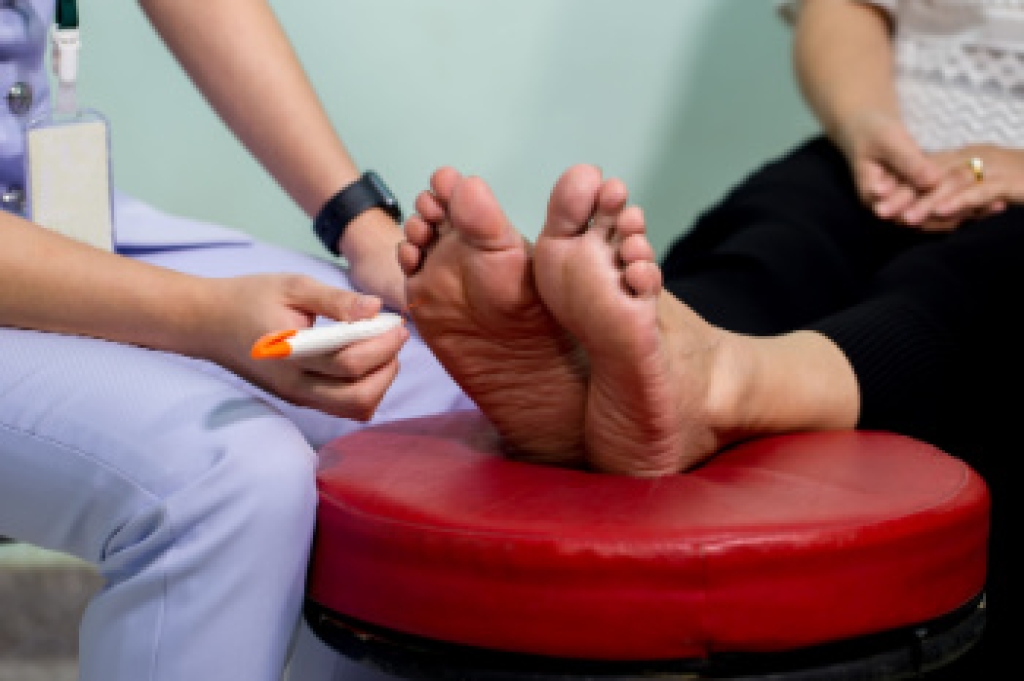
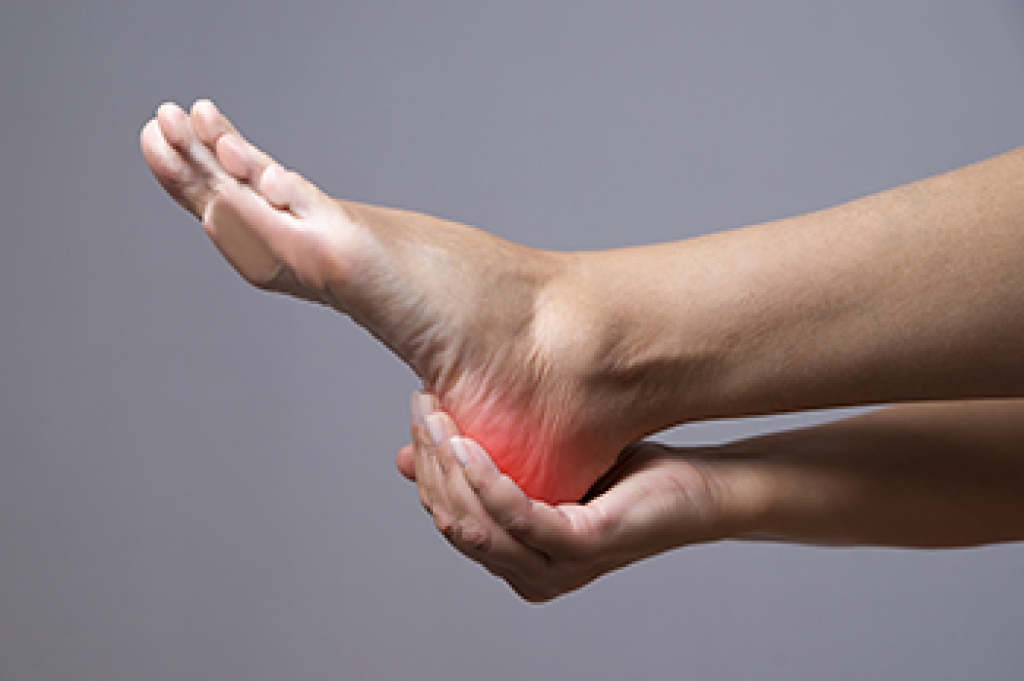
Diabetic neuropathy, a nerve condition caused by high blood sugar, reduces sensation in the feet and toes. Nerves that normally detect pressure, temperature, and pain become less responsive, so people may not notice cuts, blisters, or changes in skin integrity. Symptoms of diabetic neuropathy include numbness, tingling, burning, sharp pains, and weakness, which can alter walking patterns and increase stress on bones and joints. Because warning signs are muted, minor injuries can progress into ulcers or infection if not identified early. A podiatrist helps by performing foot exams, testing sensation, monitoring circulation, and identifying pressure points or deformities that raise risk. Treatment plans are designed to protect tissue and reduce complications over time. For help with dealing with foot problems associated with diabetes, it is suggested that you make an appointment with a podiatrist for ongoing treatment.
Diabetic foot care is important in preventing foot ailments such as ulcers. If you are suffering from diabetes or have any other concerns about your feet, contact Zina Cappiello, DPM from Dr. Zina B. Cappiello DPM, LLC. Our podiatrist can provide the care you need to keep you pain-free and on your feet.
Diabetic Foot Care
Diabetes affects millions of people every year. The condition can damage blood vessels in many parts of the body, especially the feet. Because of this, taking care of your feet is essential if you have diabetes, and having a podiatrist help monitor your foot health is highly recommended.
The Importance of Caring for Your Feet
Patients with diabetes should have their doctor monitor their blood levels, as blood sugar levels play such a huge role in diabetic care. Monitoring these levels on a regular basis is highly advised.
It is always best to inform your healthcare professional of any concerns you may have regarding your feet, especially for diabetic patients. Early treatment and routine foot examinations are keys to maintaining proper health, especially because severe complications can arise if proper treatment is not applied.
If you have any questions, please feel free to contact our office located in Clifton, NJ . We offer the newest diagnostic and treatment technologies for all your foot care needs.

Plantar fasciitis is a common cause of heel pain that develops when the thick band of tissue supporting the arch becomes strained or inflamed. It often begins gradually and is frequently linked to overuse, foot mechanics, prolonged standing, or unsupportive footwear. Symptoms usually include sharp or aching pain in the heel, stiffness after rest, and discomfort that improves slightly with movement but returns later in the day. The heel may look normal or mildly swollen, yet it can feel tender, tight, or burning with pressure. Common contributing factors include repetitive stress, tight calf muscles, and weight changes such as soreness, inflammation, and reduced flexibility. A podiatrist can help by starting with a detailed examination and imaging when necessary to confirm the diagnosis and rule out other causes of heel pain. Treatment often begins with footwear guidance, supportive devices, and custom orthotics, then progresses to medications, targeted exercises, or advanced procedures if symptoms persist. If you think you may have heel pain, it is suggested that you make an appointment with a podiatrist.
Plantar fasciitis is a common foot condition that is often caused by a strain injury. If you are experiencing heel pain or symptoms of plantar fasciitis, contact Zina Cappiello, DPM from Dr. Zina B. Cappiello DPM, LLC. Our podiatrist can provide the care you need to keep you pain-free and on your feet.
What Is Plantar Fasciitis?
Plantar fasciitis is one of the most common causes of heel pain. The plantar fascia is a ligament that connects your heel to the front of your foot. When this ligament becomes inflamed, plantar fasciitis is the result. If you have plantar fasciitis you will have a stabbing pain that usually occurs with your first steps in the morning. As the day progresses and you walk around more, this pain will start to disappear, but it will return after long periods of standing or sitting.
What Causes Plantar Fasciitis?
There are some risk factors that may make you more likely to develop plantar fasciitis compared to others. The condition most commonly affects adults between the ages of 40 and 60. It also tends to affect people who are obese because the extra pounds result in extra stress being placed on the plantar fascia.
Prevention
There are a variety of treatment options available for plantar fasciitis along with the pain that accompanies it. Additionally, physical therapy is a very important component in the treatment process. It is important that you meet with your podiatrist to determine which treatment option is best for you.
If you have any questions, please feel free to contact our office located in Clifton, NJ . We offer the newest diagnostic and treatment technologies for all your foot care needs.
Connect With Us