When the Feet Begin to Swell

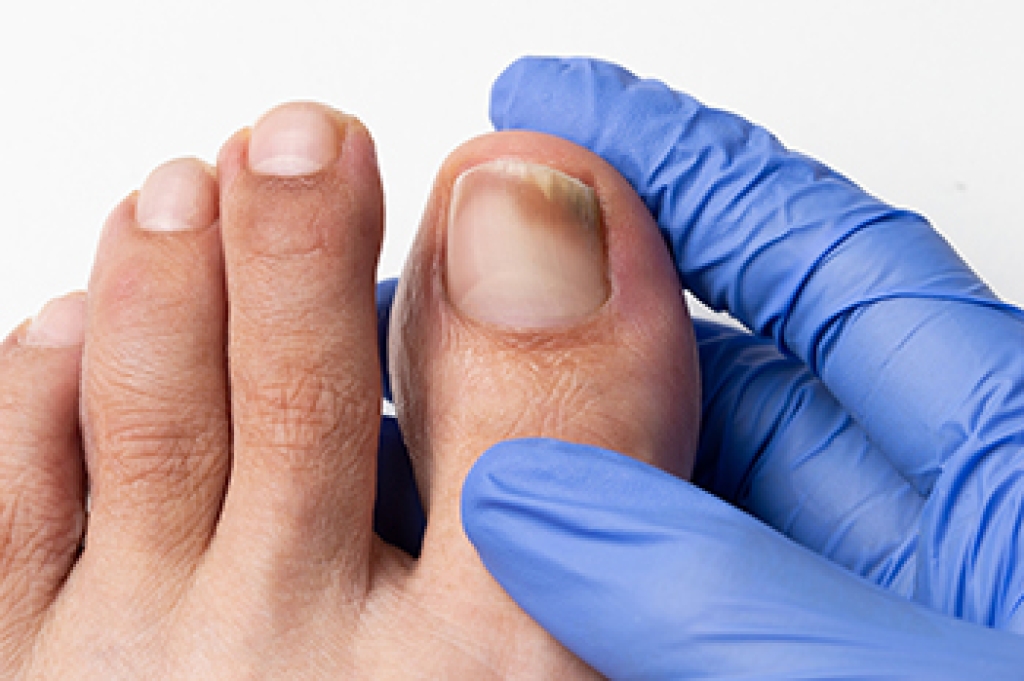
Swelling of the feet, also known as edema, occurs when excess fluid collects in the tissues. It is often caused by prolonged standing or sitting, injury, pregnancy, or underlying medical conditions, such as heart, kidney, or circulation problems. Symptoms include puffiness or tightness and discomfort that worsens as the day progresses. The feet may look enlarged or shiny, and pressing on the skin can leave a temporary indentation. Swelling can feel achy, stiff, or tender, and may limit mobility or make shoes feel tight. A podiatrist can help by starting with a detailed evaluation of the feet, circulation, and medical history, sometimes using diagnostic testing to determine the cause. Treatment may include lifestyle modifications, compression support, targeted exercises to improve circulation, and management of contributing conditions. Early care helps prevent complications and maintains foot health. If you have swollen feet, it is suggested that you schedule an appointment with a podiatrist for effective relief and management tips.

Swollen feet can be a sign of an underlying condition. If you have any concerns, contact Zina Cappiello, DPM of Dr. Zina B. Cappiello DPM, LLC. Our podiatrist can provide the care you need to keep you pain-free and on your feet.

Swollen feet are a common ailment among pregnant women and people who stand or sit for extended periods. Aging may increase the possibility of swollen feet and patients who are obese often notice when their feet are swelling too. There may be medical reasons why swollen feet occur:

  • Phlebitis - A condition that causes the veins to become inflamed and can also cause leg pain.
  • Liver disease - This may lead to low blood levels of albumin which is a protein. This can cause fluid in the blood to pass into the tissues and several areas of the body can become swollen.
  • Heart failure - When the heart doesn’t pump properly the blood that is normally pumped back to the heart can pool in the veins of the legs causing swollen feet.
  • Kidney disease - One of the main functions of the kidneys is releasing excess fluid in the body. This type of condition can make it difficult for the kidneys to function properly, and as a result the feet may become swollen.
  • Deep-vein thrombosis (DVT)- This is a serious condition where blood clots form in the veins of the legs. They can block the return of blood from the legs to the heart which may cause the feet to swell. It is important to be treated by a podiatrist if this condition is present.

Swollen feet can also be caused by bone and tendon conditions, including fractures, arthritis, and tendinitis. Additionally, there may be skin and toenail conditions and an infection may cause the feet to swell. Patients who take medicine to treat high blood pressure may be prone to getting swollen feet. 

Many patients elevate their feet to help relieve the swelling and this is generally a temporary remedy. When a podiatrist is consulted the reason behind the swelling can be uncovered and subsequently treated.

If you have any questions please contact our office located in Clifton, NJ . We offer the newest diagnostic and treatment technologies for all your foot and ankle needs.

Read more about Swelling of the Feet

How Diabetic Neuropathy Affects the Feet

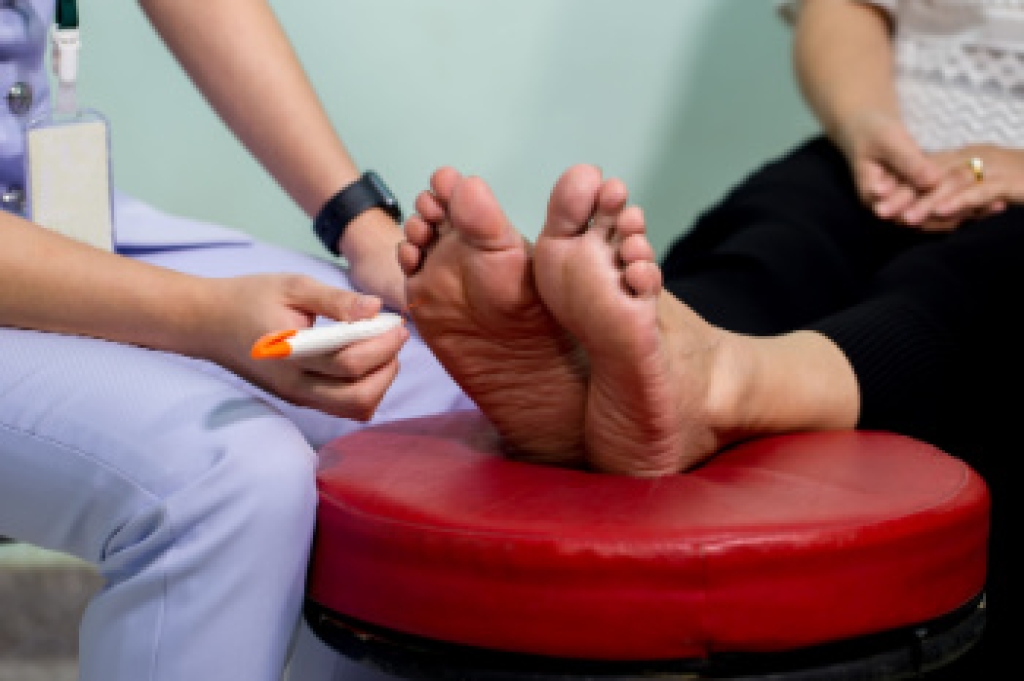
Diabetic neuropathy, a nerve condition caused by high blood sugar, reduces sensation in the feet and toes. Nerves that normally detect pressure, temperature, and pain become less responsive, so people may not notice cuts, blisters, or changes in skin integrity. Symptoms of diabetic neuropathy include numbness, tingling, burning, sharp pains, and weakness, which can alter walking patterns and increase stress on bones and joints. Because warning signs are muted, minor injuries can progress into ulcers or infection if not identified early. A podiatrist helps by performing foot exams, testing sensation, monitoring circulation, and identifying pressure points or deformities that raise risk. Treatment plans are designed to protect tissue and reduce complications over time. For help with dealing with foot problems associated with diabetes, it is suggested that you make an appointment with a podiatrist for ongoing treatment.

Diabetic foot care is important in preventing foot ailments such as ulcers. If you are suffering from diabetes or have any other concerns about your feet, contact Zina Cappiello, DPM from Dr. Zina B. Cappiello DPM, LLC. Our podiatrist can provide the care you need to keep you pain-free and on your feet.

Diabetic Foot Care

Diabetes affects millions of people every year. The condition can damage blood vessels in many parts of the body, especially the feet. Because of this, taking care of your feet is essential if you have diabetes, and having a podiatrist help monitor your foot health is highly recommended.

The Importance of Caring for Your Feet

  • Routinely inspect your feet for bruises or sores.
  • Wear socks that fit your feet comfortably.
  • Wear comfortable shoes that provide adequate support.

Patients with diabetes should have their doctor monitor their blood levels, as blood sugar levels play such a huge role in diabetic care. Monitoring these levels on a regular basis is highly advised.

It is always best to inform your healthcare professional of any concerns you may have regarding your feet, especially for diabetic patients. Early treatment and routine foot examinations are keys to maintaining proper health, especially because severe complications can arise if proper treatment is not applied.

If you have any questions, please feel free to contact our office located in Clifton, NJ . We offer the newest diagnostic and treatment technologies for all your foot care needs.

Read more about How to Care for Diabetic Foot

When Heel Pain Greets the First Step

Plantar fasciitis is a common cause of heel pain that develops when the thick band of tissue supporting the arch becomes strained or inflamed. It often begins gradually and is frequently linked to overuse, foot mechanics, prolonged standing, or unsupportive footwear. Symptoms usually include sharp or aching pain in the heel, stiffness after rest, and discomfort that improves slightly with movement but returns later in the day. The heel may look normal or mildly swollen, yet it can feel tender, tight, or burning with pressure. Common contributing factors include repetitive stress, tight calf muscles, and weight changes such as soreness, inflammation, and reduced flexibility. A podiatrist can help by starting with a detailed examination and imaging when necessary to confirm the diagnosis and rule out other causes of heel pain. Treatment often begins with footwear guidance, supportive devices, and custom orthotics, then progresses to medications, targeted exercises, or advanced procedures if symptoms persist. If you think you may have heel pain, it is suggested that you make an appointment with a podiatrist.

Plantar fasciitis is a common foot condition that is often caused by a strain injury. If you are experiencing heel pain or symptoms of plantar fasciitis, contact Zina Cappiello, DPM from Dr. Zina B. Cappiello DPM, LLC. Our podiatrist can provide the care you need to keep you pain-free and on your feet.

What Is Plantar Fasciitis?

Plantar fasciitis is one of the most common causes of heel pain. The plantar fascia is a ligament that connects your heel to the front of your foot. When this ligament becomes inflamed, plantar fasciitis is the result. If you have plantar fasciitis you will have a stabbing pain that usually occurs with your first steps in the morning. As the day progresses and you walk around more, this pain will start to disappear, but it will return after long periods of standing or sitting.

What Causes Plantar Fasciitis?

  • Excessive running
  • Having high arches in your feet
  • Other foot issues such as flat feet
  • Pregnancy (due to the sudden weight gain)
  • Being on your feet very often

There are some risk factors that may make you more likely to develop plantar fasciitis compared to others. The condition most commonly affects adults between the ages of 40 and 60. It also tends to affect people who are obese because the extra pounds result in extra stress being placed on the plantar fascia.

Prevention

  • Take good care of your feet – Wear shoes that have good arch support and heel cushioning.
  • Maintain a healthy weight
  • If you are a runner, alternate running with other sports that won’t cause heel pain

There are a variety of treatment options available for plantar fasciitis along with the pain that accompanies it. Additionally, physical therapy is a very important component in the treatment process. It is important that you meet with your podiatrist to determine which treatment option is best for you.

If you have any questions, please feel free to contact our office located in Clifton, NJ . We offer the newest diagnostic and treatment technologies for all your foot care needs.


Read more about Plantar Fasciitis

Causes of Ankle Pain in Golfers

Ankle pain while playing golf is a common issue that can affect performance and enjoyment of the game. A lack of mobility in the ankle joints places added stress on the surrounding muscles and ligaments, leading to discomfort during swings and walking the course. Weakness or lack of strength in the supporting muscles also contributes to instability and strain. Over time, these factors may result in chronic pain or injury if not properly addressed. A podiatrist can evaluate the mechanics of your feet and ankles, recommend supportive footwear or orthotics, and provide strengthening exercises to reduce stress. If you have foot or ankle pain from playing golf, it is suggested that you consult a podiatrist who can offer effective relief and treatment solutions, while guiding you on foot strengthening techniques.

Sports related foot and ankle injuries require proper treatment before players can go back to their regular routines. For more information, contact Zina Cappiello, DPM of Dr. Zina B. Cappiello DPM, LLC. Our podiatrist can provide the care you need to keep you pain-free and on your feet.

Sports Related Foot and Ankle Injuries

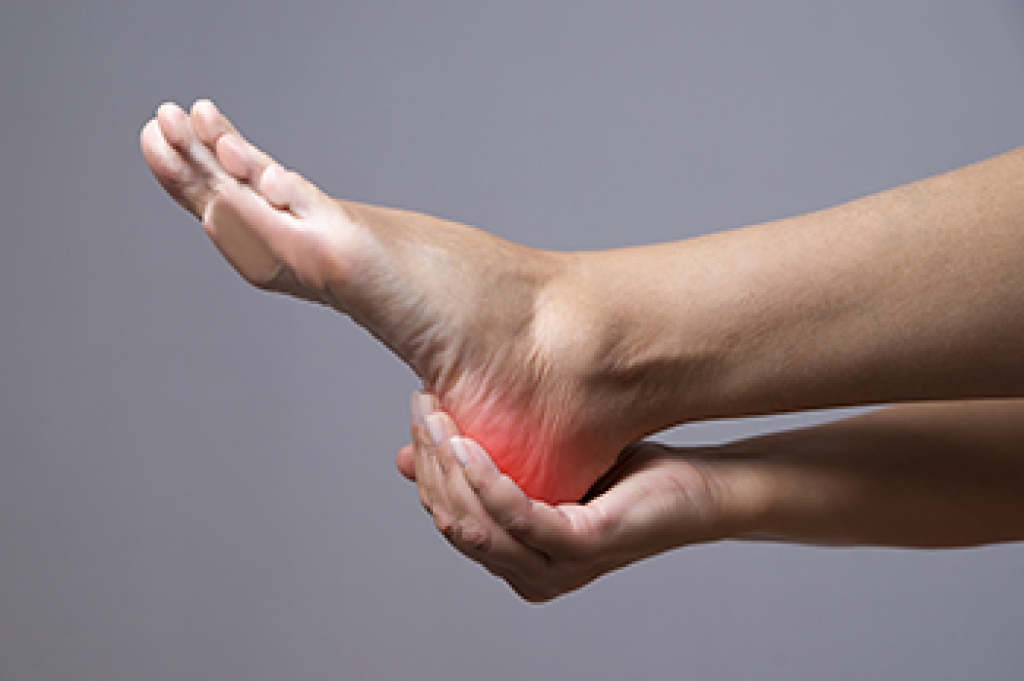
Foot and ankle injuries are a common occurrence when it comes to athletes of any sport. While many athletes dismiss the initial aches and pains, the truth is that ignoring potential foot and ankle injuries can lead to serious problems. As athletes continue to place pressure and strain the area further, a mild injury can turn into something as serious as a rupture and may lead to a permanent disability. There are many factors that contribute to sports related foot and ankle injuries, which include failure to warm up properly, not providing support or wearing bad footwear. Common injuries and conditions athletes face, including:

  • Plantar Fasciitis
  • Achilles Tendinitis
  • Achilles Tendon Rupture
  • Ankle Sprains

Sports related injuries are commonly treated using the RICE method. This includes rest, applying ice to the injured area, compression and elevating the ankle. More serious sprains and injuries may require surgery, which could include arthroscopic and reconstructive surgery. Rehabilitation and therapy may also be required in order to get any recovering athlete to become fully functional again. Any unusual aches and pains an athlete sustains must be evaluated by a licensed, reputable medical professional.

If you have any questions please contact our office located in Clifton, NJ . We offer the newest diagnostic and treatment technologies for all your foot and ankle needs.
Read more about Sports Related Foot And Ankle Injuries

Keep Your Feet Healthy So You Can Stay Active

Have your feet inspected by a professional before starting a new sport or physical activity. Taking charge of your foot health will keep you in good physical condition and can help you avoid a potential injury, such as a fracture or sprained ankle.

Prevent injuries and see a foot specialist.

Connect With Us

Advanced Podiatric Procedures & Services in the Passaic County, NJ: Clifton (Paterson, Passaic, Wayne, Hawthorne, Little Falls, Totowa) and Essex County, NJ: Newark, East Orange, Bloomfield, West Orange, Belleville, Nutley areas