Symptoms of Foot Arthritis

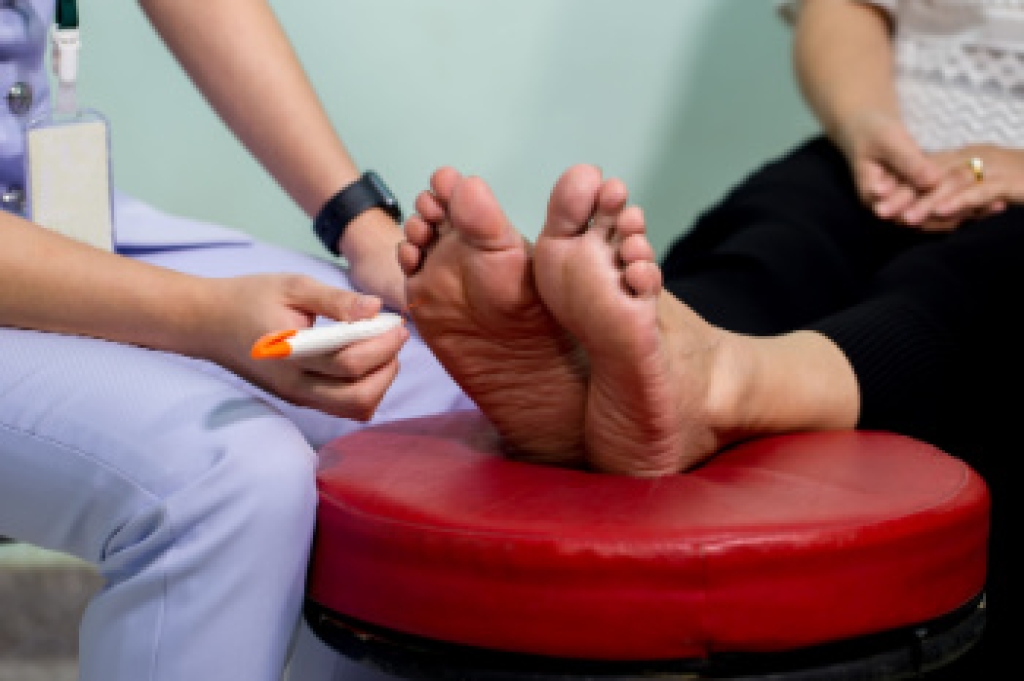
Foot arthritis, also known as arthropathy, is a joint-related condition that causes inflammation and gradual deterioration within the joints of the foot. This condition can affect mobility and comfort because the foot contains many small joints that support balance and movement. Common symptoms include joint pain, swelling, stiffness, tenderness, and reduced flexibility while walking or standing. Causes include age-related wear of joint cartilage, previous injury, or inflammatory diseases that affect joint tissues. Risk factors include genetic predisposition, repetitive joint stress, excess body weight, and abnormal foot mechanics. A podiatrist can evaluate joint function, recommend supportive treatment, and help reduce pressure on affected joints. If you have symptoms of foot arthritis, it is suggested that you consult a podiatrist who can offer effective relief and management tips.

Arthritis can be a difficult condition to live with. If you are seeking treatment, contact Zina Cappiello, DPM from Dr. Zina B. Cappiello DPM, LLC. Our podiatrist can provide the care you need to keep you pain-free and on your feet.

Arthritic Foot Care  

Arthritis is a term that is commonly used to describe joint pain.  The condition itself can occur to anyone of any age, race, or gender, and there are over 100 types of it.  Nevertheless, arthritis is more commonly found in women compared to men, and it is also more prevalent in those who are overweight. The causes of arthritis vary depending on which type of arthritis you have. Osteoarthritis for example, is often caused by injury, while rheumatoid arthritis is caused by a misdirected immune system.

Symptoms

  • Swelling
  • Pain
  • Stiffness
  • Decreased Range of Motion

Arthritic symptoms range in severity, and they may come and go. Some symptoms stay the same for several years but could potentially get worse with time. Severe cases of arthritis can prevent its sufferers from performing daily activities and make walking difficult.

Risk Factors

  • Occupation – Occupations requiring repetitive knee movements have been linked to osteoarthritis
  • Obesity – Excess weight can contribute to osteoarthritis development
  • Infection – Microbial agents can infect the joints and trigger arthritis
  • Joint Injuries – Damage to joints may lead to osteoarthritis
  • Age – Risk increases with age
  • Gender –Most types are more common in women
  • Genetics – Arthritis can be hereditary

If you suspect your arthritis is affecting your feet, it is crucial that you see a podiatrist immediately. Your doctor will be able to address your specific case and help you decide which treatment method is best for you.

If you have any questions please feel free to contact our office located in Clifton, NJ . We offer the newest diagnostic tools and technology to treat your foot and ankle needs.

Read more about How to Care for Your Arthritic Foot

Tips for Preventing Falls in Seniors

Falls can lead to serious injuries, especially in older adults, and may affect their ability to live independently. Preventing falls often begins with improving balance and strength. Balance is the body’s ability to remain steady while standing or moving, and it depends on strong muscles, healthy joints, and proper nerve function. Wearing supportive, well-fitted shoes with firm soles and good traction can reduce slipping and improve stability. Shoes that are too loose, too tight, or worn out may increase the risk of tripping. Assistive devices like canes or walkers should be correctly sized to provide proper support. Foot pain, numbness, and deformities can also change the way a person walks, increasing fall risk. A podiatrist can examine foot structure, evaluate the pattern of walking, and identify problems that might affect balance. Custom orthotics and footwear recommendations may improve stability and comfort. If you are at risk of falling, it is suggested that you make an appointment with a podiatrist for an exam, diagnosis, and treatment.

Preventing falls among the elderly is very important. If you are older and have fallen or fear that you are prone to falling, consult with Zina Cappiello, DPM from Dr. Zina B. Cappiello DPM, LLC. Our podiatrist will assess your condition and provide you with quality advice and care.

Every 11 seconds, an elderly American is being treated in an emergency room for a fall related injury. Falls are the leading cause of head and hip injuries for those 65 and older. Due to decreases in strength, balance, senses, and lack of awareness, elderly persons are very susceptible to falling. Thankfully, there are a number of things older persons can do to prevent falls.

How to Prevent Falls

Some effective methods that older persons can do to prevent falls include:

  • Enrolling in strength and balance exercise program to increase balance and strength
  • Periodically having your sight and hearing checked
  • Discuss any medications you have with a doctor to see if it increases the risk of falling
  • Clearing the house of falling hazards and installing devices like grab bars and railings
  • Utilizing a walker or cane
  • Wearing shoes that provide good support and cushioning
  • Talking to family members about falling and increasing awareness

Falling can be a traumatic and embarrassing experience for elderly persons; this can make them less willing to leave the house, and less willing to talk to someone about their fears of falling. Doing such things, however, will increase the likelihood of tripping or losing one’s balance. Knowing the causes of falling and how to prevent them is the best way to mitigate the risk of serious injury.  

If you have any questions, please feel free to contact our office located in Clifton, NJ . We offer the newest diagnostic and treatment technologies for all your foot care needs.

Read more about Falls Prevention

Bunions and Running

Running can place repeated pressure on the big toe joint, which is especially challenging for people with bunions. A bunion is a bony bump that forms at the base of the big toe where it connects to the foot. As the big toe shifts inward, the joint becomes enlarged, irritated, and painful during push-off. Standard running shoes with a narrow toe box can increase friction and crowd the toes, worsening discomfort and joint stress. In contrast, running shoes designed for people with bunions often have a wider toe box to reduce rubbing, softer or stretchable upper materials to decrease pressure, and strong arch support to help distribute body weight more evenly across the foot. Proper cushioning can limit strain on the front of the foot. A podiatrist can assess foot structure and recommend appropriate footwear or custom orthotics to improve alignment and reduce pain. If you have foot or ankle pain after running, it is suggested that you schedule an appointment with a podiatrist for an exam, diagnosis, and appropriate treatment.

If you are suffering from bunions, contact Zina Cappiello, DPM of Dr. Zina B. Cappiello DPM, LLC. Our podiatrist can provide the care you need to keep you pain-free and on your feet.

What Is a Bunion?

A bunion is formed of swollen tissue or an enlargement of boney growth, usually located at the base joint of the toe that connects to the foot. The swelling occurs due to the bones in the big toe shifting inward, which impacts the other toes of the foot. This causes the area around the base of the big toe to become inflamed and painful.

Why Do Bunions Form?

Genetics – Susceptibility to bunions are often hereditary

Stress on the feet – Poorly fitted and uncomfortable footwear that places stress on feet, such as heels, can worsen existing bunions

How Are Bunions Diagnosed?

Podiatrists often perform two tests – blood tests and x-rays – when trying to diagnose bunions, especially in the early stages of development. Blood tests help determine if the foot pain is being caused by something else, such as arthritis, while x-rays provide a clear picture of your bone structure to your provider.

How Are Bunions Treated?

  • Refrain from wearing heels or similar shoes that cause discomfort
  • Select wider shoes that can provide more comfort and reduce pain
  • Anti-inflammatory and pain management drugs
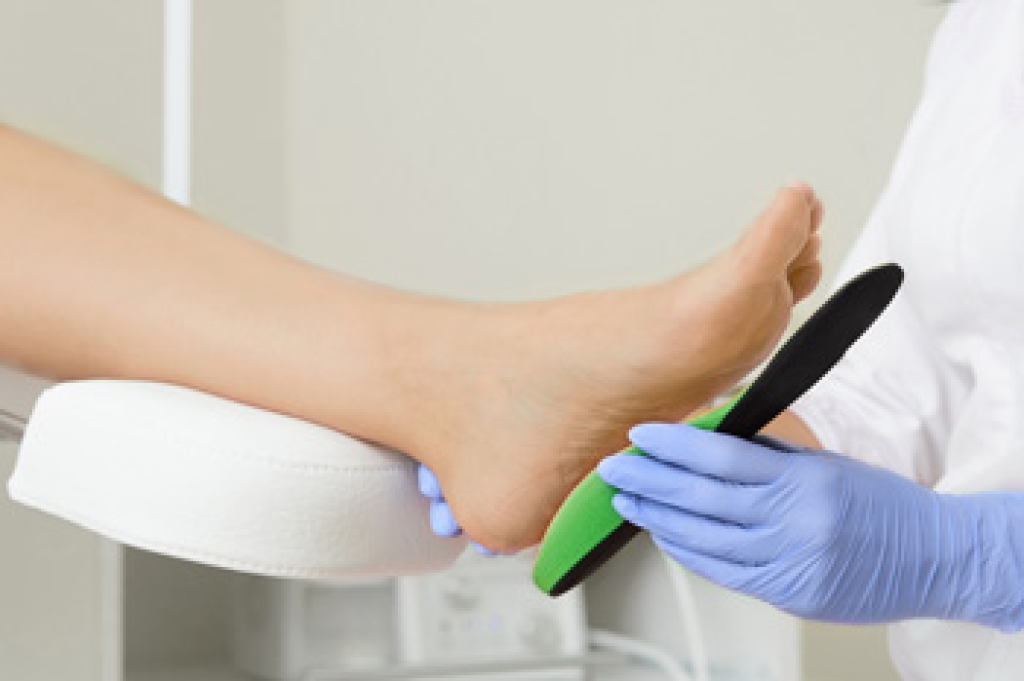
  • Orthotics or foot inserts
  • Surgery

If you have any questions, please feel free to contact our office located in Clifton, NJ . We offer the newest diagnostic and treatment technologies for all your foot care needs.

Read more about Bunions

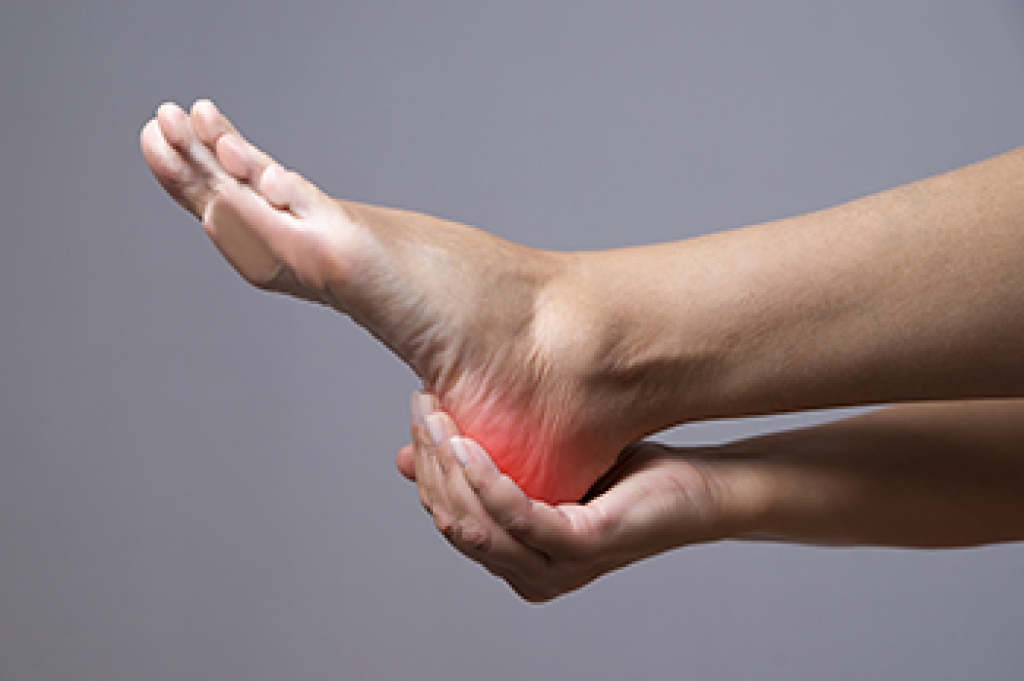
Heel Pain in the Morning?

Heel pain can negatively affect your day-to-day life. Simple activities like walking can become incredibly uncomfortable or painful due to heel pain.

Don’t live with heel pain and get treated.

Common Ice Skating Injuries in Children

Ice skating is a fun way for children to build balance and coordination, but the sport places repetitive stress on growing feet and ankles. Falls, tight or poorly fitted boots, and frequent jumping can lead to ankle sprains, tendon irritation, and painful bursitis around the heel or ankle bones. Friction inside the boot may also cause blisters or “lace bite” across the top of the foot. Over time, pressure from narrow skates can contribute to bunions or hammertoes, while repeated impact during landings may result in stress fractures of the metatarsal bones. Because children’s bones are still developing, these problems can affect alignment and performance if not properly evaluated. A podiatrist can assess skating mechanics, examine footwear fit, diagnose structural problems, and provide medical care to relieve pain and prevent further injury. If your child encounters foot pain while ice skating, it is suggested that you make an appointment with a podiatrist for an exam, diagnosis, and treatment.

Making sure that your children maintain good foot health is very important as they grow. If you have any questions, contact Zina Cappiello, DPM of Dr. Zina B. Cappiello DPM, LLC. Our podiatrist can provide the care you need to keep you pain-free and on your feet.

Keeping Children's Feet Healthy

Having healthy feet during childhood can help prevent medical problems later in life, namely in the back and legs. As children grow, their feet require different types of care. Here are some things to consider...

Although babies do not walk yet, it is still very important to take care of their feet.

Avoid putting tight shoes or socks on his or her feet.

Allow the baby to stretch and kick his or her feet to feel comfortable.

As a toddler, kids are now on the move and begin to develop differently. At this age, toddlers are getting a feel for walking, so don’t be alarmed if your toddler is unsteady or ‘walks funny’. 

As your child gets older, it is important to teach them how to take care of their feet.

Show them proper hygiene to prevent infections such as fungus.

Be watchful for any pain or injury.

Have all injuries checked by a doctor as soon as possible.

Comfortable, protective shoes should always be worn, especially at play.

If you have any questions, please feel free to contact our office located in Clifton, NJ . We offer the newest diagnostic and treatment technologies for all your foot care needs.

Read more about What to Do to Keep Your Child’s Feet Healthy

Connect With Us

Advanced Podiatric Procedures & Services in the Passaic County, NJ: Clifton (Paterson, Passaic, Wayne, Hawthorne, Little Falls, Totowa) and Essex County, NJ: Newark, East Orange, Bloomfield, West Orange, Belleville, Nutley areas