Facts About Achilles Tendon Ruptures and Recovery

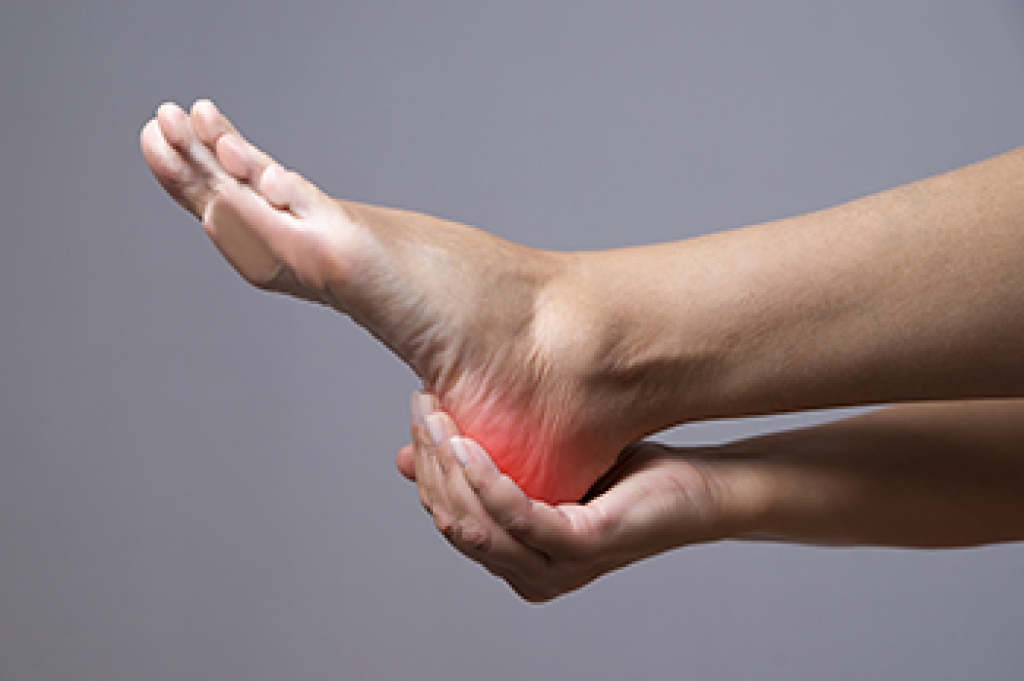
The Achilles tendon is a band of tissue that connects the calf muscles to the heel bone. It helps move the foot while taking a step, running, or jumping. Despite its strength, the tendon can rupture when it is exposed to sudden, powerful force. Achilles tendon ruptures occur in high-impact sports like football, basketball, and soccer. Athletes in their 30s and 40s can face greater risk because the tendon tissue can weaken with age while they remain active in demanding sports.

An Achilles tendon rupture can happen without warning. A sudden change in direction, awkward landing, or forceful push from the foot can place stress on the tendon. Some people have tissue changes before the injury but experience no previous pain. A rupture can leave the tendon disconnected, reducing the ability of the calf muscle to move the foot. Recovery can be lengthy because the tendon and surrounding tissues need time to heal and regain strength. Treatment can involve surgery or a nonsurgical approach, depending on the injury and the patient's activity goals.

A podiatrist can evaluate Achilles tendon pain or a suspected rupture and determine the extent of the injury. The examination can assess movement, strength, and the connection between the calf and heel. Treatment can protect the injured tendon while it heals and help restore function. A podiatrist can also discuss ways to reduce injury risk, including choosing shoes that provide proper support and are appropriate for the activity. Returning to sports requires careful planning because recovery from a rupture can take many months. If you have injured your Achilles tendon, it is suggested that you schedule an appointment with a podiatrist for effective relief and treatment solutions. 

Achilles tendon injuries need immediate attention to avoid future complications. If you have any concerns, contact Zina Cappiello, DPM of Dr. Zina B. Cappiello DPM, LLC. Our podiatrist can provide the care you need to keep you pain-free and on your feet.

What Is the Achilles Tendon?

The Achilles tendon is a tendon that connects the lower leg muscles and calf to the heel of the foot. It is the strongest tendon in the human body and is essential for making movement possible. Because this tendon is such an integral part of the body, any injuries to it can create immense difficulties and should immediately be presented to a doctor.

What Are the Symptoms of an Achilles Tendon Injury?

There are various types of injuries that can affect the Achilles tendon. The two most common injuries are Achilles tendinitis and ruptures of the tendon.

Achilles Tendinitis Symptoms

  • Inflammation
  • Dull to severe pain
  • Increased blood flow to the tendon
  • Thickening of the tendon

Rupture Symptoms

  • Extreme pain and swelling in the foot
  • Total immobility

Treatment and Prevention

Achilles tendon injuries are diagnosed by a thorough physical evaluation, which can include an MRI. Treatment involves rest, physical therapy, and in some cases, surgery. However, various preventative measures can be taken to avoid these injuries, such as:

  • Thorough stretching of the tendon before and after exercise
  • Strengthening exercises like calf raises, squats, leg curls, leg extensions, leg raises, lunges, and leg presses

If you have any questions please feel free to contact our office located in Clifton, NJ . We offer the newest diagnostic tools and technology to treat your foot and ankle needs.

Read more about The Causes, Types, and Treatments of Achilles Tendon Injuries

Foot Mobility and Strength Training

Foot mobility refers to the ability of the feet to move freely and efficiently through a full range of motion. The feet serve as the foundation of the body, supporting weight distribution, absorbing shock, and assisting with movement. Proper mobility allows the muscles and joints in the feet to function in coordination during daily activities. When mobility is limited, it can affect posture, balance, and overall alignment. Understanding the role of foot function is essential for maintaining stability and reducing strain throughout the body.

During walking, the feet move through a structured gait cycle that includes the stance phase and the swing phase. The stance phase occurs when the foot is in contact with the ground and is responsible for weight bearing and shock absorption. The swing phase follows as the foot lifts and moves forward to prepare for the next step. Efficient muscle activation during these phases ensures smooth movement and proper force distribution. When foot mobility is reduced, this cycle becomes less efficient, increasing stress on the ankles, knees, and hips.


Common symptoms of poor foot mobility include stiffness, discomfort, and reduced flexibility. Individuals may notice instability when walking or standing, along with a decrease in balance. Risk factors include improper footwear, lack of strengthening exercises, and repetitive stress from daily activities. Strengthening the feet can improve muscle activation and restore natural movement patterns.


Simple foot exercises can help improve foot mobility and strength. Toe curls are performed by gripping the floor with the toes and holding briefly before releasing. Toe raises involve lifting the toes upward while keeping the heel and ball of the foot grounded. Toe spreading focuses on widening the toes apart to improve control and flexibility. Performing these exercises regularly can support proper function and reduce strain. If you have foot pain, it is suggested that you consult a podiatrist for an accurate diagnosis, appropriate treatment, and guidance on additional foot stretches and exercises.

Exercising your feet regularly with the proper foot wear is a great way to prevent injuries and build strength. If you have any concerns about your feet, contact Zina Cappiello, DPM from Dr. Zina B. Cappiello DPM, LLC. Our podiatrist can provide the care you need to keep you pain-free and on your feet.

Exercise for Your Feet

Exercise for your feet can help you gain strength, mobility and flexibility in your feet. They say that strengthening your feet can be just as rewarding as strengthening another part of the body. Your feet are very important, and we often forget about them in our daily tasks. But it is because of our feet that are we able to get going and do what we need to. For those of us fortunate enough to not have any foot problems, it is an important gesture to take care of them to ensure good health in the long run.

Some foot health exercises can include ankle pumps, tip-toeing, toe rises, lifting off the floor doing reps and sets, and flexing the toes. It is best to speak with Our podiatrist to determine an appropriate regimen for your needs. Everyone’s needs and bodies are different, and the activities required to maintain strength in the feet vary from individual to individual. 

Once you get into a routine of doing regular exercise, you may notice a difference in your feet and how strong they may become.

If you have any questions, please feel free to contact our office located in Clifton, NJ . We offer the newest diagnostic and treatment technologies for all your foot care needs.

Read more about Exercise for Your Feet

Plantar Warts Can Be Treated!

Plantar warts are small growths that develop on parts of the feet that bear weight. They're typically found on the bottom of the foot. Don't live with plantar warts, and call us today!

Common Conditions Linked to Lateral Foot Pain

Lateral foot pain affects the outer side of the foot and can interfere with daily movement. This type of pain may result from injury, structural issues, or chronic conditions that impact the bones and joints. Because the outer foot plays a key role in balance and stability, even mild discomfort can become significant if left untreated. Understanding this condition allows individuals to respond quickly and protect their foot health.

Symptoms often include tenderness, swelling, and pain that worsens with walking or standing. Some individuals may experience a sharp or throbbing sensation, while others notice stiffness or limited mobility. These symptoms can vary depending on the cause, but often indicate stress or damage to the outer foot structures. Identifying the pattern of symptoms can help determine the underlying issue and guide appropriate care.


Several conditions are commonly associated with lateral foot pain. Ankle sprains can damage ligaments and lead to instability and swelling. Arthritis may result in joint inflammation and long-term discomfort. Stress fractures develop from repeated stress and can cause persistent pain that increases with activity. Cuboid syndrome occurs when the cuboid bone shifts out of alignment, leading to localized pain and difficulty bearing weight. Each of these conditions requires attention to prevent worsening symptoms.


Risk factors include engaging in high-impact sports, wearing unsupportive footwear, and having a history of foot injuries. Maintaining proper foot care and addressing pain early can help prevent complications. Supporting the foot with appropriate footwear and rest can promote healing and reduce strain. If you have lateral foot pain, it is suggested that you consult a podiatrist for an accurate diagnosis and appropriate treatment.

Foot Pain

Foot pain can be extremely painful and debilitating. If you have a foot pain, consult with Zina Cappiello, DPM from Dr. Zina B. Cappiello DPM, LLC. Our podiatrist will assess your condition and provide you with quality foot and ankle treatment.

Causes

Foot pain is a very broad condition that could be caused by one or more ailments. The most common include:

  • Bunions
  • Hammertoes
  • Plantar Fasciitis
  • Bone Spurs
  • Corns
  • Tarsal Tunnel Syndrome
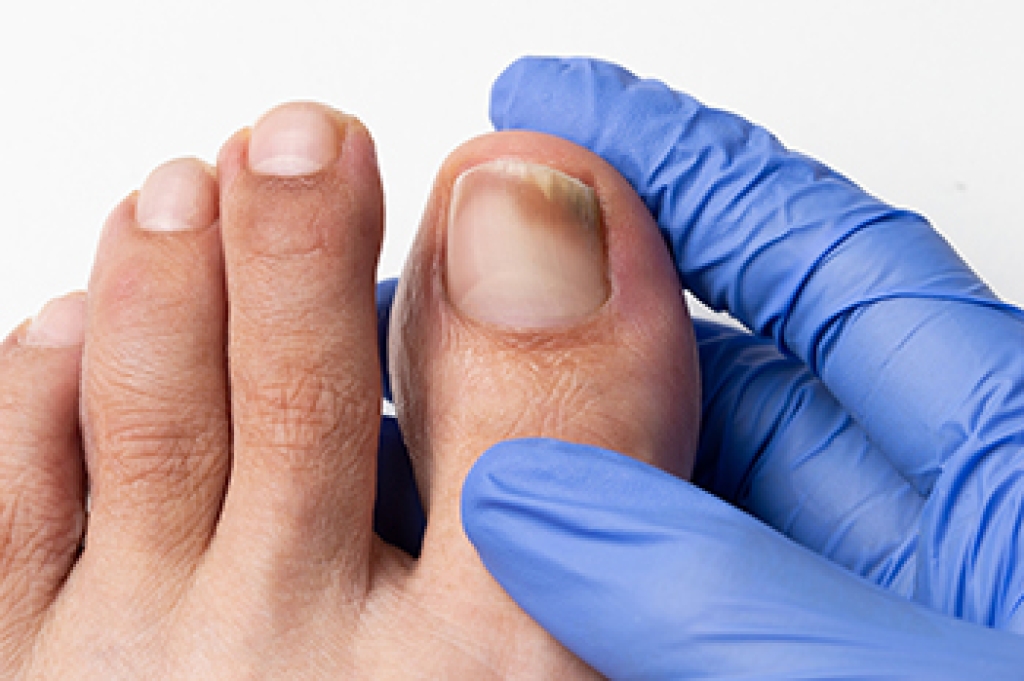
  • Ingrown Toenails
  • Arthritis (such as Gout, Rheumatoid, and Osteoarthritis)
  • Flat Feet
  • Injury (from stress fractures, broken toe, foot, ankle, Achilles tendon ruptures, and sprains)
  • And more

Diagnosis

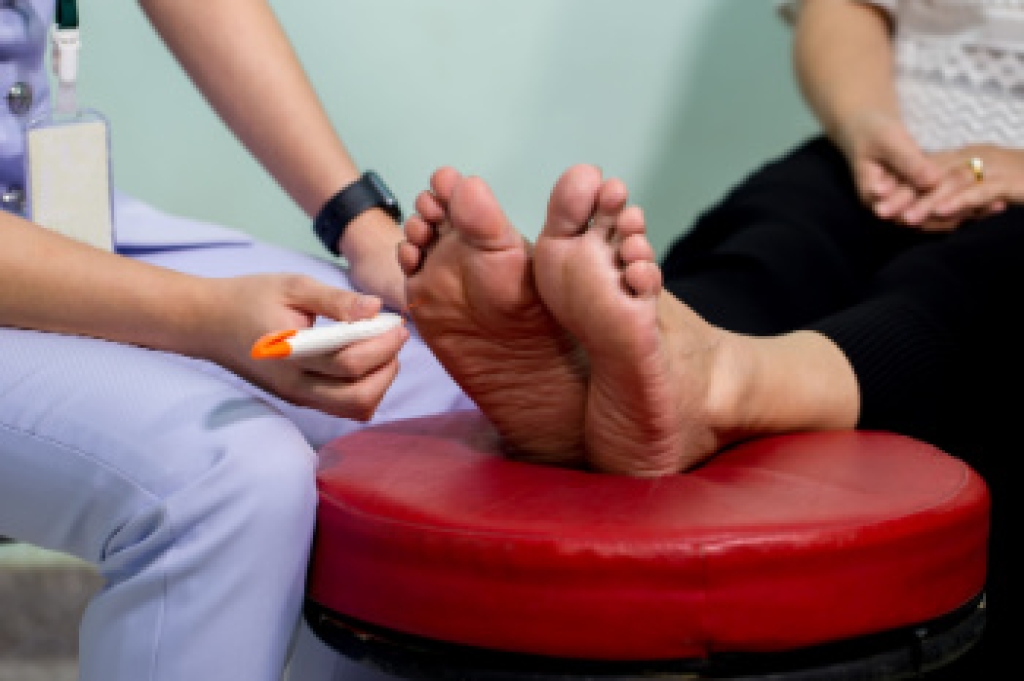
To figure out the cause of foot pain, podiatrists utilize several different methods. This can range from simple visual inspections and sensation tests to X-rays and MRI scans. Prior medical history, family medical history, and any recent physical traumatic events will all be taken into consideration for a proper diagnosis.

Treatment

Treatment depends upon the cause of the foot pain. Whether it is resting, staying off the foot, or having surgery; podiatrists have a number of treatment options available for foot pain.

If you have any questions, please feel free to contact our office located in Clifton, NJ . We offer the newest diagnostic and treatment technologies for all your foot care needs.

Read more about Foot Pain

How Pregnancy Can Affect Your Feet

Pregnancy brings many changes to the body, and the feet are no exception. As pregnancy progresses, increased body weight and changing hormone levels can place extra stress on the feet and ankles. Many women experience foot pain, swelling, or changes in the shape of their feet during this time. Some also notice that their arches become lower, which can cause the feet to become slightly longer or wider. These changes may affect balance and make standing or walking less comfortable. Because pregnancy-related foot problems can interfere with daily activities, a professional evaluation is important when symptoms become persistent or severe. Early care can help identify the cause of discomfort and determine the most appropriate treatment plan.


Several factors contribute to foot changes during pregnancy. Hormones that help prepare the body for childbirth can also loosen the ligaments that support the feet, making the joints more flexible. Combined with added pressure from weight gain, these changes may increase the risk of flat feet, heel pain, or discomfort in the arches. Swelling around the feet and ankles is also common and may make shoes feel tighter than usual. A comprehensive podiatry examination allows foot structure, joint function, and walking patterns to be carefully evaluated. Identifying these changes early can help reduce discomfort and support healthy foot function throughout pregnancy.


A podiatrist can evaluate pregnancy-related foot pain and recommend treatment based on each patient's individual needs. Professional care focuses on improving comfort, supporting proper foot mechanics, and addressing conditions that may develop during pregnancy. Treatment plans are designed with both maternal health and mobility in mind, while also monitoring changes as pregnancy progresses. Ongoing podiatry care may also help identify developing foot problems before they become more significant after delivery. If you are experiencing foot pain, swelling, or noticeable changes in your feet during pregnancy, it is suggested that you consult a podiatrist for an evaluation and appropriate treatment options.

Pregnant women with swollen feet can be treated with a variety of different methods that are readily available. For more information about other cures for swollen feet during pregnancy, consult with Zina Cappiello, DPM from Dr. Zina B. Cappiello DPM, LLC. Our podiatrist will attend to all of your foot and ankle needs.

What Foot Problems Can Arise During Pregnancy?

One problem that can occur is overpronation, which occurs when the arch of the foot flattens and tends to roll inward.  This can cause pain and discomfort in your heels while you’re walking or even just standing up, trying to support your baby.  

Another problem is edema, or swelling in the extremities. This often affects the feet during pregnancy but tends to occur in the later stages. 

How Can I Keep My Feet Healthy During Pregnancy?

  • Wearing orthotics can provide extra support for the feet and help distribute weight evenly
  • Minimize the amount of time spent walking barefoot
  • Wear shoes with good arch support
  • Wear shoes that allow for good circulation to the feet
  • Elevate feet if you experience swelling
  • Massage your feet
  • Get regular, light exercise, such as walking, to promote blood circulation to the feet

If you have any questions, please feel free to contact our office located in Clifton, NJ . We offer the newest diagnostic and treatment technologies for all your foot care needs.

Read more about Foot Care for Pregnant Women

Connect With Us

Advanced Podiatric Procedures & Services in the Passaic County, NJ: Clifton (Paterson, Passaic, Wayne, Hawthorne, Clifton), Essex County, NJ: Newark, East Orange, Bloomfield, West Orange, Belleville, Nutley, Montclair, Bergen County, NJ: Rutherford, Garfield and Morris County, NJ: Lincoln Park, Lincoln Park areas