Causes of Ankle Pain in Golfers

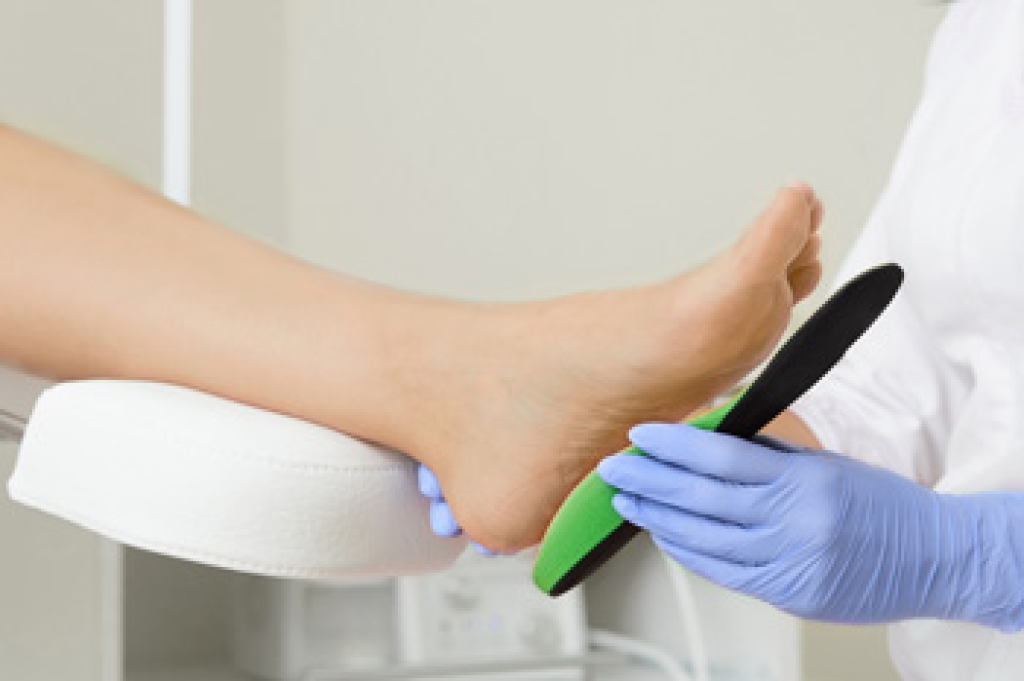
Ankle pain while playing golf is a common issue that can affect performance and enjoyment of the game. A lack of mobility in the ankle joints places added stress on the surrounding muscles and ligaments, leading to discomfort during swings and walking the course. Weakness or lack of strength in the supporting muscles also contributes to instability and strain. Over time, these factors may result in chronic pain or injury if not properly addressed. A podiatrist can evaluate the mechanics of your feet and ankles, recommend supportive footwear or orthotics, and provide strengthening exercises to reduce stress. If you have foot or ankle pain from playing golf, it is suggested that you consult a podiatrist who can offer effective relief and treatment solutions, while guiding you on foot strengthening techniques.

Sports related foot and ankle injuries require proper treatment before players can go back to their regular routines. For more information, contact Zina Cappiello, DPM of Dr. Zina B. Cappiello DPM, LLC. Our podiatrist can provide the care you need to keep you pain-free and on your feet.

Sports Related Foot and Ankle Injuries

Foot and ankle injuries are a common occurrence when it comes to athletes of any sport. While many athletes dismiss the initial aches and pains, the truth is that ignoring potential foot and ankle injuries can lead to serious problems. As athletes continue to place pressure and strain the area further, a mild injury can turn into something as serious as a rupture and may lead to a permanent disability. There are many factors that contribute to sports related foot and ankle injuries, which include failure to warm up properly, not providing support or wearing bad footwear. Common injuries and conditions athletes face, including:

  • Plantar Fasciitis
  • Achilles Tendinitis
  • Achilles Tendon Rupture
  • Ankle Sprains

Sports related injuries are commonly treated using the RICE method. This includes rest, applying ice to the injured area, compression and elevating the ankle. More serious sprains and injuries may require surgery, which could include arthroscopic and reconstructive surgery. Rehabilitation and therapy may also be required in order to get any recovering athlete to become fully functional again. Any unusual aches and pains an athlete sustains must be evaluated by a licensed, reputable medical professional.

If you have any questions please contact our office located in Clifton, NJ . We offer the newest diagnostic and treatment technologies for all your foot and ankle needs.
Read more about Sports Related Foot And Ankle Injuries

Keep Your Feet Healthy So You Can Stay Active

Have your feet inspected by a professional before starting a new sport or physical activity. Taking charge of your foot health will keep you in good physical condition and can help you avoid a potential injury, such as a fracture or sprained ankle.

Prevent injuries and see a foot specialist.

Achilles Tendon Rupture and Its Impact on Mobility

An Achilles tendon rupture is a serious injury involving a complete tear of the tendon that connects the calf muscles to the heel bone. It is common in athletes and active individuals and can abruptly end athletic participation or even a professional career. This injury often results from overuse of the tendon, sudden increases in activity, or long-term degeneration that weakens the tendon over time. Symptoms may include a sudden sharp pain in the back of the leg, a popping sensation, swelling, bruising, weakness, and difficulty walking or pushing off the foot. A podiatrist can evaluate the injury, confirm the diagnosis, and guide appropriate treatment, whether surgical or nonsurgical, to restore strength and function. If you have sudden Achilles pain or loss of function, it is suggested that you seek podiatric care promptly for effective treatment solutions.

Achilles tendon injuries need immediate attention to avoid future complications. If you have any concerns, contact Zina Cappiello, DPM of Dr. Zina B. Cappiello DPM, LLC. Our podiatrist can provide the care you need to keep you pain-free and on your feet.

What Is the Achilles Tendon?

The Achilles tendon is a tendon that connects the lower leg muscles and calf to the heel of the foot. It is the strongest tendon in the human body and is essential for making movement possible. Because this tendon is such an integral part of the body, any injuries to it can create immense difficulties and should immediately be presented to a doctor.

What Are the Symptoms of an Achilles Tendon Injury?

There are various types of injuries that can affect the Achilles tendon. The two most common injuries are Achilles tendinitis and ruptures of the tendon.

Achilles Tendinitis Symptoms

  • Inflammation
  • Dull to severe pain
  • Increased blood flow to the tendon
  • Thickening of the tendon

Rupture Symptoms

  • Extreme pain and swelling in the foot
  • Total immobility

Treatment and Prevention

Achilles tendon injuries are diagnosed by a thorough physical evaluation, which can include an MRI. Treatment involves rest, physical therapy, and in some cases, surgery. However, various preventative measures can be taken to avoid these injuries, such as:

  • Thorough stretching of the tendon before and after exercise
  • Strengthening exercises like calf raises, squats, leg curls, leg extensions, leg raises, lunges, and leg presses

If you have any questions please feel free to contact our office located in Clifton, NJ . We offer the newest diagnostic tools and technology to treat your foot and ankle needs.

Read more about Achilles Tendon Injuries

Understanding Cuboid Syndrome

Cuboid syndrome occurs when the small cuboid bone on the outer side of the mid-foot shifts slightly out of position or becomes irritated, leading to sharp or aching discomfort. It is seen most often in active individuals, including dancers, runners, and people who spend long periods of time on their feet, because repetitive motion and sudden twists can place extra stress on the outer foot. Others may develop it after an ankle sprain, as the injury can disrupt normal alignment. Symptoms include pain along the outer mid-foot, difficulty pushing off during walking, tenderness when pressing the area, and a feeling of weakness or instability. Treatment focuses on restoring alignment, reducing irritation, and supporting the foot as it heals. A podiatrist can perform targeted manipulation, provide taping or padding, and recommend footwear or inserts that improve stability. If outer foot pain continues to interfere with movement, it is suggested that you see a podiatrist who can accurately diagnose and treat cuboid syndrome.

Cuboid syndrome, also known as cuboid subluxation, occurs when the joints and ligaments near the cuboid bone in the foot become torn. If you have cuboid syndrome, consult with Zina Cappiello, DPM from Dr. Zina B. Cappiello DPM, LLC. Our podiatrist will assess your condition and provide you with quality foot and ankle treatment.

Cuboid syndrome is a common cause of lateral foot pain, which is pain on the outside of the foot. The condition may happen suddenly due to an ankle sprain, or it may develop slowly overtime from repetitive tension through the bone and surrounding structures.

Causes

The most common causes of cuboid syndrome include:

  • Injury – The most common cause of this ailment is an ankle sprain.
  • Repetitive Strain – Tension placed through the peroneus longus muscle from repetitive activities such as jumping and running may cause excessive traction on the bone causing it to sublux.
  • Altered Foot Biomechanics – Most people suffering from cuboid subluxation have flat feet.

Symptoms

A common symptom of cuboid syndrome is pain along the outside of the foot which can be felt in the ankle and toes. This pain may create walking difficulties and may cause those with the condition to walk with a limp.

Diagnosis

Diagnosis of cuboid syndrome is often difficult, and it is often misdiagnosed. X-rays, MRIs and CT scans often fail to properly show the cuboid subluxation. Although there isn’t a specific test used to diagnose cuboid syndrome, your podiatrist will usually check if pain is felt while pressing firmly on the cuboid bone of your foot.

Treatment

Just as the range of causes varies widely, so do treatments. Some more common treatments are ice therapy, rest, exercise, taping, and orthotics.

If you have any questions, please feel free to contact our office located in Clifton, NJ . We offer the newest diagnostic and treatment technologies for all your foot care needs.

Read more about All About Cuboid Syndrome

Ankle Sprains Common in Basketball Players

Ankle sprains occur when a roll or twist of the foot places force on ankle ligaments, bands of tissue that connect bones and support joint stability. Quick stops, landing wrong from jumps, and sudden changes in direction during basketball can cause the foot to turn inward and downward, stretching or tearing ligaments along the outside of the ankle. Immediate pain is followed by swelling, bruising, and difficulty bearing weight through the foot and ankle. Repeated ankle sprains, reduced motion, and balance problems raise the risk of future injury and ankle instability. A podiatrist can evaluate the foot and ankle by checking swelling, tender areas, joint stability, walking ability, and ordering X-rays to rule out fractures. Treatment focuses on ankle protection, restoring motion, addressing instability, and surgery for severe damage. For help with foot problems, it is suggested that you consult a podiatrist for an exam and treatment.

Ankle sprains are common but need immediate attention. If you need your feet checked, contact Zina Cappiello, DPM from Dr. Zina B. Cappiello DPM, LLC. Our podiatrist can provide the care you need to keep you pain-free and on your feet.

How Does an Ankle Sprain Occur?

Ankle sprains take place when the ligaments in your ankle are torn or stretched beyond their limits. There are multiple ways that the ankle can become injured, including twisting or rolling over onto your ankle, putting undue stress on it, or causing trauma to the ankle itself.

What Are the Symptoms?

  • Mild to moderate bruising
  • Limited mobility
  • Swelling
  • Discoloration of the skin (depending on severity)

Preventing a Sprain

  • Wearing appropriate shoes for the occasion
  • Stretching before exercises and sports
  • Knowing your limits

Treatment of a Sprain

Treatment of a sprain depends on the severity.  Many times, people are told to rest and remain off their feet completely, while others are given an air cast. If the sprain is very severe, surgery may be required.

If you have suffered an ankle sprain previously, you may want to consider additional support such as a brace and regular exercises to strengthen the ankle.

If you have any questions please feel free to contact our office located in Clifton, NJ . We offer the newest diagnostic tools and technology to treat your foot and ankle needs.

Read more about Three Grades of Ankle Sprains

Connect With Us

Advanced Podiatric Procedures & Services in the Passaic County, NJ: Clifton (Paterson, Passaic, Wayne, Hawthorne, Little Falls, Totowa) and Essex County, NJ: Newark, East Orange, Bloomfield, West Orange, Belleville, Nutley areas