Differences Between Corns and Calluses

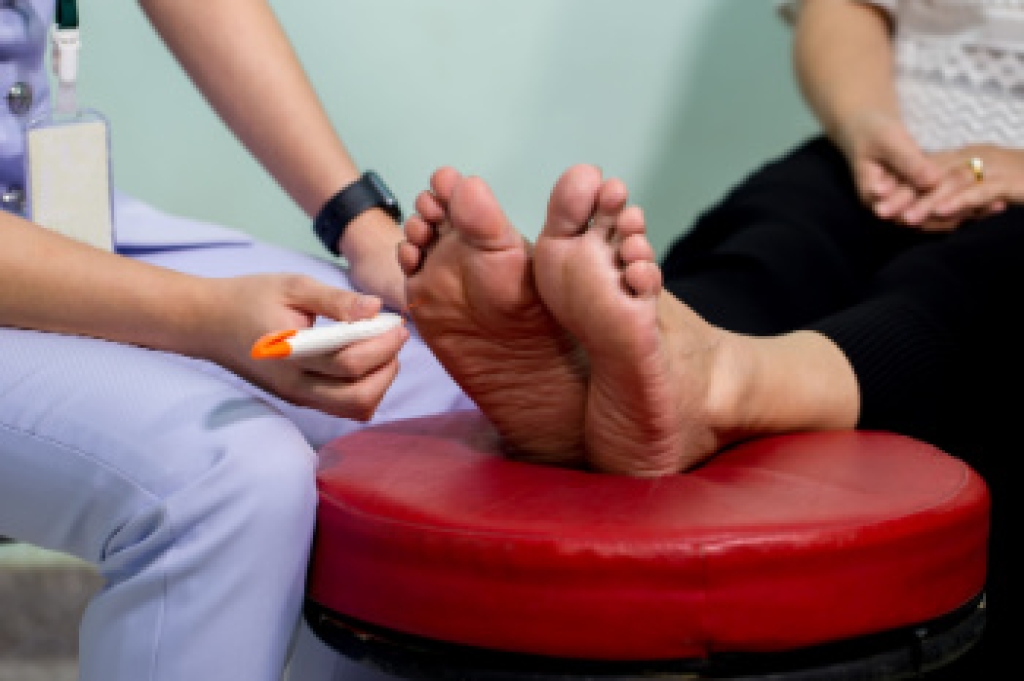
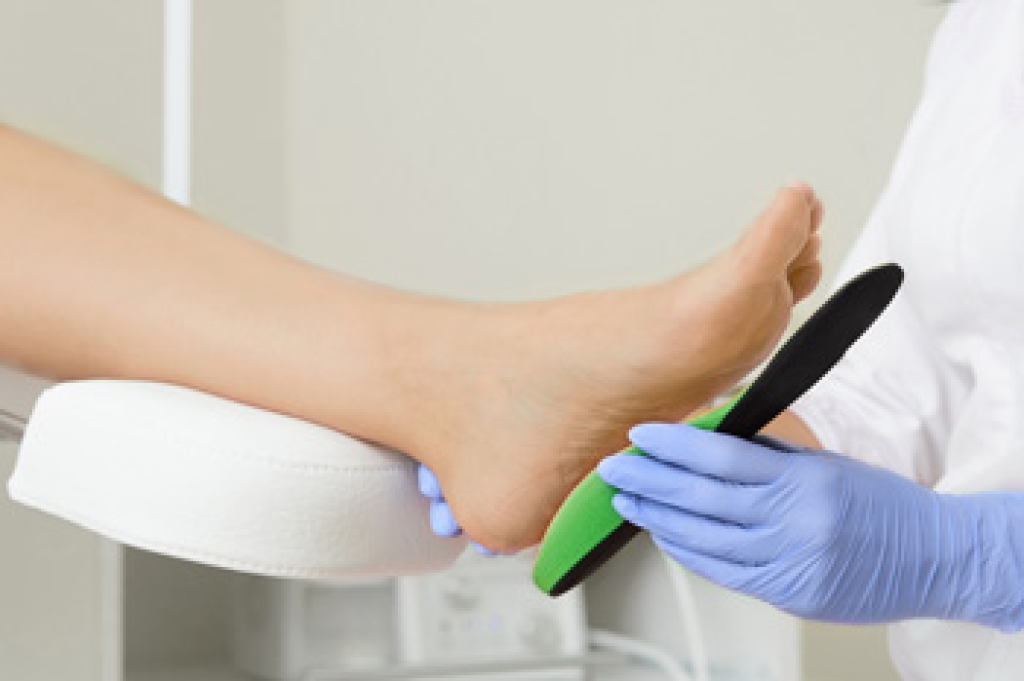
Corns and calluses are areas of thick, hardened skin that form when the feet are exposed to repeated pressure or rubbing. Calluses are usually larger, spread out, and often less painful, while corns are smaller and more focused. A corn has a hard center, or core, that pushes into the deeper layers of skin, and can cause sharp pain when walking or standing. Corns often develop on or between the toes, while calluses are more common on the bottom of the foot where weight is placed. Changes in foot shape, toe problems, and wearing tight or poorly fitting shoes can increase the risk of both conditions. A podiatrist can examine the feet, safely remove the thickened skin using sterile tools, and reduce pressure with custom orthotics or padding to help prevent the problem from returning. If you have painful corns or calluses on your feet, it is suggested that you schedule an appointment with a podiatrist for safe and sterile treatment.

If you have any concerns regarding your feet and ankles, contact Zina Cappiello, DPM of Dr. Zina B. Cappiello DPM, LLC. Our podiatrist will treat your foot and ankle needs.

Corns: What Are They? and How Do You Get Rid of Them?
Corns can be described as areas of the skin that have thickened to the point of becoming painful or irritating. They are often layers and layers of the skin that have become dry and rough, and are normally smaller than calluses.

Ways to Prevent Corns
There are many ways to get rid of painful corns such as wearing:

  • Well-fitting socks
  • Comfortable shoes that are not tight around your foot
  • Shoes that offer support

Treating Corns
Treatment of corns involves removing the dead skin that has built up in the specific area of the foot. Consult with Our podiatrist to determine the best treatment option for your case of corns.

If you have any questions, please feel free to contact our office located in Clifton, NJ . We offer the newest diagnostic and treatment technologies for all your foot care needs.

Read more about Understanding Corns and Calluses

Protecting Your Feet with Proper Diabetic Self-Care

Diabetes is a chronic condition in which the body has difficulty regulating blood sugar levels, often leading to nerve damage and poor circulation. These changes frequently affect the feet, making them more vulnerable to cuts, infections, and slow-healing wounds. Proper self-care includes daily foot inspections, gentle cleansing, moisturizing, nail care, and wearing well-fitted protective footwear. Careful attention can help prevent serious complications and may reduce the risk of limb loss. Because sensation may be reduced, even small injuries can progress without notice. A podiatrist can provide routine evaluations, treat developing problems early, and guide patients in effective foot care practices. If you have diabetes, it is strongly suggested that you consult a podiatrist who can help you to manage this serious condition.

Diabetic foot care is important in preventing foot ailments such as ulcers. If you are suffering from diabetes or have any other concerns about your feet, contact Zina Cappiello, DPM from Dr. Zina B. Cappiello DPM, LLC. Our podiatrist can provide the care you need to keep you pain-free and on your feet.

Diabetic Foot Care

Diabetes affects millions of people every year. The condition can damage blood vessels in many parts of the body, especially the feet. Because of this, taking care of your feet is essential if you have diabetes, and having a podiatrist help monitor your foot health is highly recommended.

The Importance of Caring for Your Feet

  • Routinely inspect your feet for bruises or sores.
  • Wear socks that fit your feet comfortably.
  • Wear comfortable shoes that provide adequate support.

Patients with diabetes should have their doctor monitor their blood levels, as blood sugar levels play such a huge role in diabetic care. Monitoring these levels on a regular basis is highly advised.

It is always best to inform your healthcare professional of any concerns you may have regarding your feet, especially for diabetic patients. Early treatment and routine foot examinations are keys to maintaining proper health, especially because severe complications can arise if proper treatment is not applied.

If you have any questions, please feel free to contact our office located in Clifton, NJ . We offer the newest diagnostic and treatment technologies for all your foot care needs.

Read more about Diabetic Foot Conditions

Gout and Foot Pain

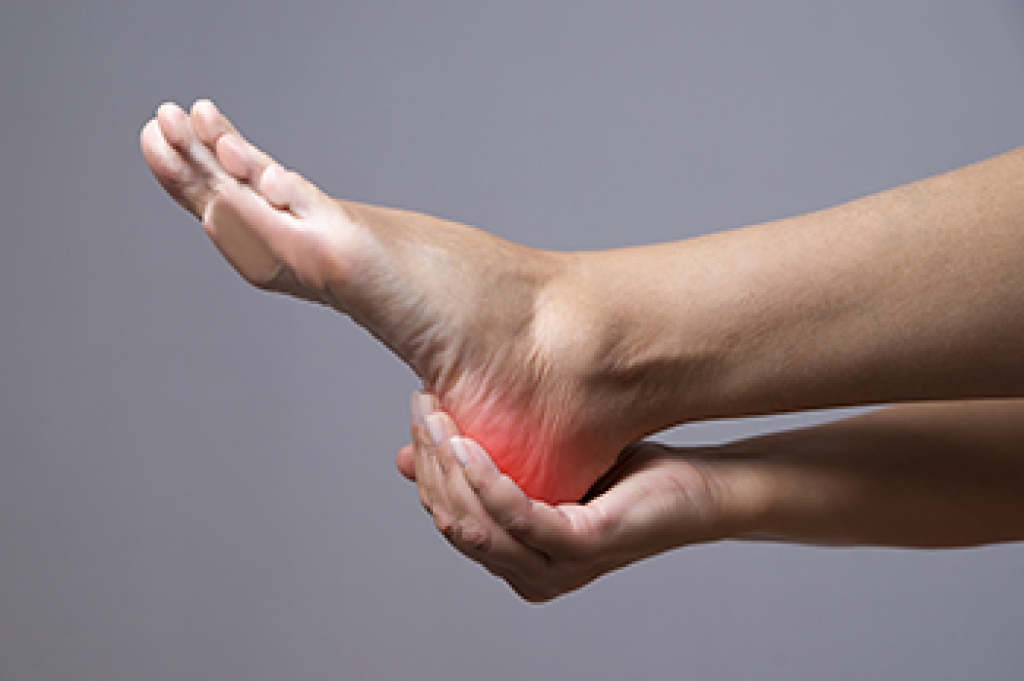
Gout is a form of inflammatory arthritis caused by high levels of uric acid in the blood, which leads to the formation of sharp crystals in the joints. Gout commonly affects the big toe and foot, causing intense pain, swelling, redness, and warmth. Symptoms often appear suddenly and can make walking difficult. Causes include the body producing too much uric acid or not removing enough through normal processes. Risk factors include genetic predisposition, excess body weight, high blood pressure, and diabetes. Diet and lifestyle choices may also contribute to flare-ups. A podiatrist can diagnose gout, recommend treatments to reduce pain and inflammation, and provide guidance on managing symptoms and preventing future attacks. Gout can be extremely painful and may cause difficulty in completing daily activities. If you have sudden foot pain or swelling, it is suggested that you promptly consult a podiatrist who can help you to manage this painful condition.

Gout is a painful condition that can be treated. If you are seeking treatment, contact Zina Cappiello, DPM from Dr. Zina B. Cappiello DPM, LLC. Our podiatrist will treat your foot and ankle needs.

What Is Gout?

Gout is a form of arthritis that is characterized by sudden, severe attacks of pain, redness, and tenderness in the joints. The condition usually affects the joint at the base of the big toe. A gout attack can occur at any random time, such as the middle of the night while you are asleep.

Symptoms

  • Intense Joint Pain - Usually around the large joint of your big toe, and it most severe within the first four to twelve hours
  • Lingering Discomfort - Joint discomfort may last from a few days to a few weeks
  • Inflammation and Redness -Affected joints may become swollen, tender, warm and red
  • Limited Range of Motion - May experience a decrease in joint mobility

Risk Factors

  • Genetics - If family members have gout, you’re more likely to have it
  • Medications - Diuretic medications can raise uric acid levels
  • Gender/Age - Gout is more common in men until the age of 60. It is believed that estrogen protects women until that point
  • Diet - Eating red meat and shellfish increases your risk
  • Alcohol - Having more than two alcoholic drinks per day increases your risk
  • Obesity - Obese people are at a higher risk for gout

Prior to visiting your podiatrist to receive treatment for gout, there are a few things you should do beforehand. If you have gout you should write down your symptoms--including when they started and how often you experience them, important medical information you may have, and any questions you may have. Writing down these three things will help your podiatrist in assessing your specific situation so that he or she may provide the best route of treatment for you.

If you have any questions, please feel free to contact our office located in Clifton, NJ . We offer the newest diagnostic and treatment technologies for all your foot care needs.

Read more about Gout

Are You Suffering From Nerve Damage?

Neuropathy is a condition that can lead to numbness or loss of sensation in the feet, but it can also cause pain. This condition is more likely to develop for those who are diabetic, obese, or with high blood pressure.

Hammertoe and Its Common Causes

Hammertoe is a foot deformity in which one of the smaller toes bends downward at the middle joint, creating a hammer-like appearance. This condition often develops when the muscles and tendons that control the toe become imbalanced, causing the joint to remain in a bent position. Common causes may include wearing tight or narrow shoes, high-heeled footwear, foot injury, or structural foot imbalance. Symptoms include toe pain, stiffness, swelling, corns, calluses, and difficulty moving the affected toe. Risk factors include long-term shoe pressure, certain inherited foot shapes, and conditions that affect muscle balance. Early evaluation and supportive care may help reduce discomfort, improve alignment, and protect overall foot health and comfortable daily movement. If you have symptoms of hammertoe, it is suggested that you consult a podiatrist who can offer effective relief and management solutions.

Hammertoes can be a painful condition to live with. For more information, contact Zina Cappiello, DPM of Dr. Zina B. Cappiello DPM, LLC. Our podiatrist will answer any of your foot- and ankle-related questions.

Hammertoe

Hammertoe is a foot deformity that occurs due to an imbalance in the muscles, tendons, or ligaments that normally hold the toe straight. It can be caused by the type of shoes you wear, your foot structure, trauma, and certain disease processes.

Symptoms

  • Painful and/or difficult toe movement
  • Swelling
  • Joint stiffness
  • Calluses/Corns
  • Physical deformity

Risk Factors

  • Age – The risk of hammertoe increases with age
  • Sex – Women are more likely to have hammertoe compared to men
  • Toe Length – You are more likely to develop hammertoe if your second toe is longer than your big toe
  • Certain Diseases – Arthritis and diabetes may make you more likely to develop hammertoe

Treatment

If you have hammertoe, you should change into a more comfortable shoe that provides enough room for your toes. Exercises such as picking up marbles may strengthen and stretch your toe muscles. Nevertheless, it is important to seek assistance from a podiatrist in order to determine the severity of your hammertoe and see which treatment option will work best for you.

If you have any questions, please feel free to contact our office located in Clifton, NJ . We offer the newest diagnostic and treatment technologies for all your foot care needs.

Read more about Hammertoe

Connect With Us

Advanced Podiatric Procedures & Services in the Passaic County, NJ: Clifton (Paterson, Passaic, Wayne, Hawthorne, Little Falls, Totowa) and Essex County, NJ: Newark, East Orange, Bloomfield, West Orange, Belleville, Nutley areas