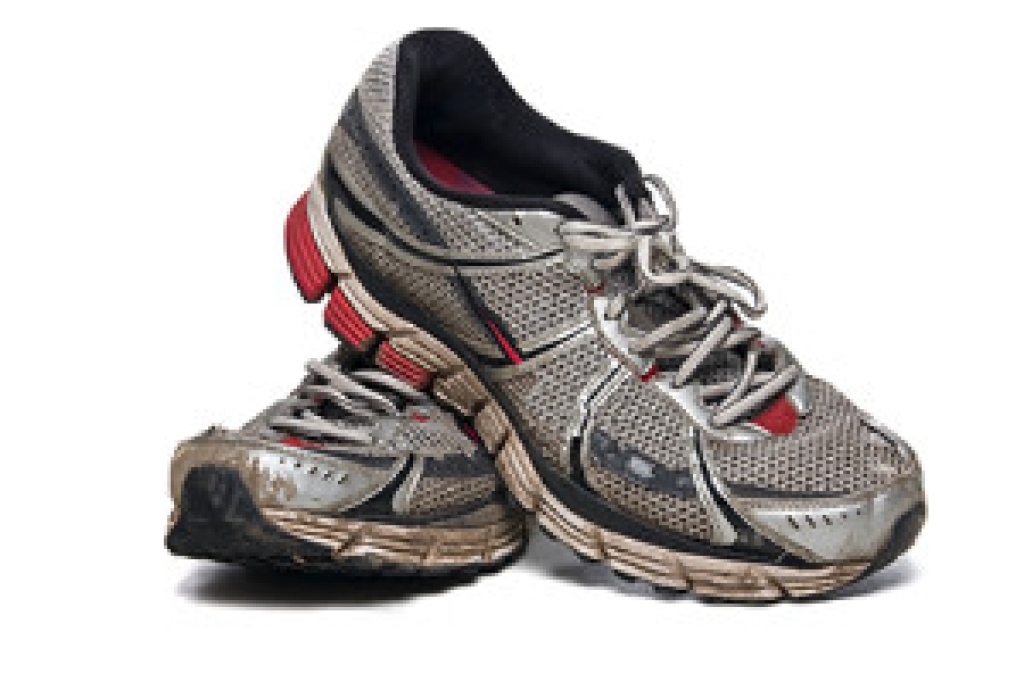
Running shoes are designed to absorb impact, provide support, and help runners move comfortably. Worn-out running shoes can contribute to foot injuries. Common problems include blisters, plantar fasciitis, and ankle discomfort. Shoes need replacement after about 300 to 500 miles, although mileage is just one factor. Loss of cushioning, uneven wear, and damage can signal that shoes should be replaced sooner.
Choosing running shoes should involve more than appearance. Your gait describes how your body moves while running, while your foot strike pattern describes how the foot contacts the ground. Foot structure also matters, because arch height, width, and alignment affect comfort and pressure. Running shoe materials influence cushioning, breathability, and durability. Risk factors include suddenly increasing mileage, running on hard surfaces, and wearing shoes after their support has declined.
There is no single replacement schedule that works for every runner. A heavier runner or someone who trains frequently may wear down shoes faster. Running on rough surfaces can increase material breakdown. Check the outsole for excessive wear and look for compressed cushioning. If one side appears more worn, your gait or foot strike pattern may be affecting the shoe. Replacing worn footwear before pain develops helps reduce stress on the feet and ankles.
A podiatrist evaluates your movement, examines discomfort, and considers how gait or foot mechanics may contribute to symptoms. Treatment options include activity adjustments, supportive recommendations, or care based on the cause. A podiatrist may also help you understand whether running habits or footwear choices are placing excess stress on your body. If you have foot injuries from wearing running shoes that are worn out, it is suggested that you consult a podiatrist for effective treatment solutions and additional guidance on when to replace your shoes.
You should always make sure your running shoes fit properly in order to avoid injury. For more information, contact Zina Cappiello, DPM from Dr. Zina B. Cappiello DPM, LLC. Our podiatrist can provide the care you need to keep you pain-free and on your feet.
Choosing the Right Running Shoe for Your Foot Type
Improper shoe sizing can cause a myriad of problems for your feet. Shoes that don’t fit you properly can lead to muscular imbalances in your body, which can result in foot, knee, and hip injuries.
Tips for Finding the Right Running Shoe
- Make sure you have a thumb’s width of wiggle room between the end of your longest toe and the front of the shoe.
- There should be little to no slipping at the heel
- Don’t assume your size in one shoe brand will be your size in another
- Do not lace up your shoes too tightly
- Walk around in the store with your new shoes before you buy them
If you have any questions, please feel free to contact our office located in Clifton, NJ . We offer the newest diagnostic and treatment technologies for all your foot care needs.
